Soil settlement is a critical factor that can significantly affect the integrity and longevity of any structure. It refers to the gradual sinking or displacement of the ground beneath a building, which can occur due to various reasons such as soil compaction, moisture changes, or the weight of the structure itself. Understanding soil settlement is essential for engineers and architects involved in foundation design, as it directly impacts the stability and safety of a building. The consequences of inadequate consideration for soil settlement can be severe, leading to structural damage, uneven floors, and even catastrophic failures. As buildings settle, they may experience cracks in walls, misaligned doors and windows, and compromised load-bearing capabilities.
Therefore, recognizing the potential for soil movement is paramount in the early stages of foundation design. This awareness allows for the implementation of effective strategies to mitigate risks associated with soil settlement. In this article, we will explore various methods used to prevent soil settlement during foundation design. By examining these techniques, we aim to provide valuable insights into how engineers can ensure that structures remain stable and secure over time. Understanding these prevention methods not only enhances the safety of buildings but also contributes to their overall durability and performance in varying environmental conditions.
Common Causes of Soil Settlement
Soil settlement is a critical concern in foundation design, as it can lead to structural damage and instability.Understanding the common causes of soil settlement is essential for engineers and builders to implement effective prevention strategies. There are several types of soil settlement, each influenced by various factors:
- Natural Causes: These include geological processes such as erosion, compaction, and the natural consolidation of soil over time. For instance, clay soils are particularly susceptible to settlement due to their ability to retain water and undergo significant volume changes.
- Human-Induced Causes: Construction activities, excavation, and the addition of heavy loads can disturb the soil structure. Poorly managed drainage systems can also lead to increased moisture content in the soil, exacerbating settlement issues.
- Soil Type: Different soils have varying load-bearing capacities. Sandy soils tend to drain well but may not provide adequate support for heavy structures, while clay soils can expand and contract significantly with moisture changes.
- Moisture Content: The presence of water in the soil can lead to increased pore pressure, reducing the effective stress on the soil particles and causing settlement.
- Load Distribution: Uneven loading from structures can create localized stress concentrations, leading to differential settlement.
Site Assessment and Soil Testing Techniques
Effective foundation design begins with a thorough site assessment and comprehensive soil testing.These initial steps are crucial in identifying potential settlement issues that could compromise the integrity of a structure.A geotechnical investigation is often the first step in this process. This investigation typically involves drilling boreholes to collect soil samples at various depths. The samples are then analyzed to determine their physical and chemical properties, which can reveal important information about the soil's load-bearing capacity and potential for settlement.
Common Soil Testing Methods
- Standard Penetration Test (SPT): This test measures the resistance of soil to penetration, providing insights into its density and strength.
- Cone Penetration Test (CPT): A more advanced method that uses a cone-shaped instrument to assess soil properties continuously as it is pushed into the ground.
- Laboratory Testing: Soil samples collected from the site are subjected to various tests, such as Atterberg limits, grain size analysis, and compaction tests, to evaluate their behavior under load.
- Ground Penetrating Radar (GPR): This non-invasive technique uses radar pulses to image the subsurface, helping identify voids or anomalies that could lead to settlement.
This proactive approach not only mitigates risks associated with soil settlement but also enhances the overall durability and safety of the structure.
Designing Foundations to Mitigate Soil Settlement
When it comes to foundation design, preventing soil settlement is crucial for ensuring the stability and longevity of structures. Various techniques can be employed to mitigate the risks associated with soil movement, each tailored to specific site conditions and building requirements.Types of Foundations
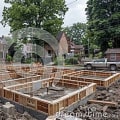
- Shallow Foundations: These are typically used when the surface soil has adequate bearing capacity. Techniques such as increasing the foundation's footprint or using reinforced concrete can help distribute loads more evenly, reducing the likelihood of settlement.
- Deep Foundations: In cases where surface soils are weak, deep foundations such as piles or drilled shafts can be utilized. These foundations transfer loads to deeper, more stable soil layers, effectively minimizing settlement risks.
- Mat Foundations: A mat foundation is a large concrete slab that supports multiple columns or walls.
This type of foundation spreads the load over a larger area, which can significantly reduce settlement in areas with poor soil conditions.
Mitigation Techniques
In addition to selecting the appropriate type of foundation, several design techniques can further mitigate soil settlement:- Soil Stabilization: Techniques such as compaction, grouting, or chemical stabilization can enhance the load-bearing capacity of the soil before construction begins.
- Load Redistribution: Designing structures to redistribute loads more evenly can help prevent localized settlement. This may involve using lighter materials or optimizing structural layouts.
- Monitoring and Maintenance: Implementing a monitoring system during and after construction can help detect early signs of settlement, allowing for timely interventions.
Use of Retaining Structures and Drainage Systems
In the realm of foundation design, the implementation of retaining structures and effective drainage systems plays a crucial role in mitigating soil settlement. These methods not only enhance the stability of foundations but also protect against potential water-related issues that can compromise structural integrity.Retaining Structures
Retaining walls are engineered barriers designed to hold back soil and prevent erosion, particularly in areas with significant elevation changes. By providing lateral support, these structures help maintain the integrity of the soil behind them, reducing the risk of settlement.The design of retaining walls can vary, including options such as:
- Gravity walls: Rely on their weight to resist soil pressure.
- Cantilever walls: Use leverage to hold back soil, often reinforced with concrete.
- Sheet pile walls: Utilize thin sections driven into the ground to create a barrier.
Drainage Systems
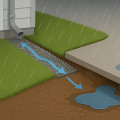
A well-planned drainage system is essential for managing water flow around foundations. Excess water can lead to increased pore pressure in the soil, which may result in settlement or even failure of the foundation. Key components of effective drainage systems include:- French drains: These are trenches filled with gravel or rock that redirect surface and groundwater away from foundations.
- Drainage pipes: Installed at strategic locations to facilitate the movement of water away from critical areas.
- Sump pumps: Used in basements or low-lying areas to remove accumulated water and prevent flooding.
Soil Improvement Techniques for Foundation Stability
To ensure the longevity and stability of a structure, soil improvement techniques play a crucial role in foundation design.These methods enhance the properties of the soil, thereby reducing the risk of settlement and ensuring a solid base for construction.
- Compaction: This is one of the most common methods used to improve soil density. By applying mechanical force, the soil particles are packed closer together, which increases its load-bearing capacity. Techniques such as vibratory rollers and rammers are often employed to achieve optimal compaction.
- Grouting: This technique involves injecting a fluid material into the soil to fill voids and bind particles together. Various types of grouts, including cementitious, chemical, and polymer-based grouts, can be used depending on the specific soil conditions and project requirements.
- Chemical Stabilization: This method involves adding chemical agents to the soil to enhance its properties.
Common chemicals include lime, cement, and fly ash, which can improve strength and reduce plasticity. This technique is particularly effective in clay soils that are prone to expansion and contraction.
- Soil Replacement: In some cases, it may be necessary to remove poor-quality soil and replace it with more suitable material. This method ensures that the foundation is built on stable ground, significantly reducing the risk of settlement.
- Piling: When surface soils are inadequate for supporting loads, deep foundations such as piles can be used. Piles transfer loads to deeper, more stable soil layers or bedrock, effectively bypassing problematic surface soils.
By carefully selecting the appropriate method based on site conditions, engineers can significantly mitigate risks associated with soil settlement in foundation design.
Monitoring and Maintenance Practices for Foundations
Ensuring the long-term stability of a foundation requires diligent monitoring and maintenance practices. These practices not only help in identifying potential issues early but also play a crucial role in preventing costly repairs and ensuring the safety of the structure.Foundation monitoring
involves regular inspections and assessments to detect any signs of distress or movement. Homeowners and property managers should consider implementing the following monitoring techniques:- Visual Inspections: Regularly check for cracks in walls, uneven floors, or doors that stick. These can be early indicators of foundation problems.
- Leveling Measurements: Use leveling tools to measure any shifts in the foundation over time.
This can help track movement and assess whether it is within acceptable limits.
- Soil Moisture Monitoring: Install moisture sensors around the foundation to monitor changes in soil moisture levels, which can affect soil stability.
- Drainage Management: Ensure proper drainage around the foundation by maintaining gutters, downspouts, and grading. This helps prevent water accumulation that can lead to soil erosion and settlement.
- Landscaping Considerations: Avoid planting large trees or shrubs too close to the foundation, as their roots can disrupt soil stability. Instead, opt for plants with shallow root systems.
- Regular Repairs: Address any cracks or damage promptly.
Use appropriate sealants or consult professionals for significant issues to prevent further deterioration.
Frequently Asked Questions about Soil Settlement and Foundation Design
Understanding soil settlement and its impact on foundation design is crucial for homeowners and builders alike. Here are some frequently asked questions that can help clarify common concerns:- What is soil settlement?
Soil settlement refers to the gradual sinking or displacement of the ground beneath a structure, often caused by changes in moisture content, compaction, or load-bearing stresses. This can lead to structural issues if not properly addressed during the foundation design. - How can I tell if my foundation is settling?
Signs of foundation settlement include cracks in walls, uneven floors, doors and windows that stick, and gaps around window frames.If you notice these issues, it may be time to consult a professional.
- What methods are used to prevent soil settlement?
Several techniques can be employed in foundation design to mitigate soil settlement: - Soil Compaction: Compacting the soil before construction increases its load-bearing capacity.
- Piling: Using piles can transfer loads to deeper, more stable soil layers.
- Grading: Proper grading ensures water drains away from the foundation, reducing moisture-related settlement.
- Use of Geotextiles: These materials can help stabilize soil and prevent erosion.
- Is it possible to repair a settling foundation?
Yes, there are various methods for repairing a settling foundation, including underpinning, slab jacking, and installing piers. The appropriate method depends on the extent of the settlement and the underlying cause. - How does climate affect soil settlement?
Changes in moisture levels due to rainfall or drought can significantly impact soil stability. In regions with extreme weather conditions, careful consideration must be given during the foundation design process to account for these fluctuations.
Conclusion: Key Takeaways on Preventing Soil Settlement in Foundation Design
In conclusion, preventing soil settlement is a critical aspect of foundation design that cannot be overlooked. Understanding the various methods available to mitigate this issue is essential for ensuring the longevity and stability of any structure. Key takeaways include:- Soil Testing: Conducting thorough soil tests before construction helps identify potential settlement issues and informs the choice of foundation type.
- Proper Drainage: Implementing effective drainage systems can prevent water accumulation, which is a common cause of soil settlement.
- Compaction Techniques: Utilizing compaction methods during the construction phase increases soil density, reducing the likelihood of future settlement.
- Use of Deep Foundations: In cases where surface soils are weak, deep foundations such as piles or caissons can transfer loads to more stable soil layers.
- Soil Stabilization: Techniques like grouting or chemical stabilization can enhance soil properties, making it less susceptible to settlement.
It is crucial to approach each project with a comprehensive understanding of the site conditions and to apply the most suitable methods tailored to those conditions.