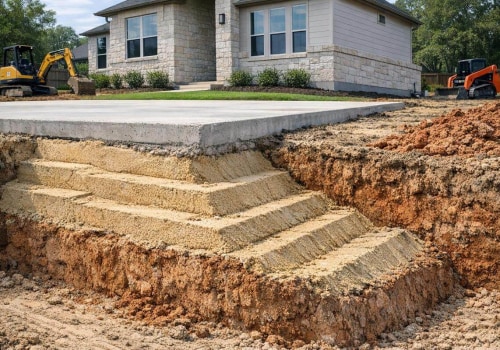
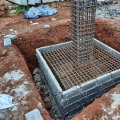
Foundation design is a critical aspect of construction that serves as the backbone of any structure. It involves the planning and engineering of the foundation system, which is essential for ensuring the stability and longevity of buildings and other infrastructures. Without a well-thought-out foundation design, even the most aesthetically pleasing structures can face significant risks, including settlement, structural failure, and safety hazards. The importance of foundation design cannot be overstated. A properly designed foundation distributes the weight of the building evenly across the ground, preventing uneven settling that can lead to cracks and other structural issues.
Additionally, it must account for various factors such as soil type, load-bearing capacity, and environmental conditions. Understanding these elements is crucial for architects and engineers to create a safe and durable foundation. In essence, what is foundation design? It is not merely about digging a hole and pouring concrete; it encompasses a comprehensive analysis of site conditions, material selection, and engineering principles. This foundational work lays the groundwork for all subsequent construction activities, making it a vital consideration in any building project. As we delve deeper into this topic, we will explore the various types of foundation designs and their specific applications in different construction scenarios.
The Basics of Foundation Design
Understanding foundation design is crucial for any construction project, as it serves as the backbone of a structure.The primary purpose of a foundation is to transfer the load of the building to the ground, ensuring stability and safety. There are several types of foundation design, each suited for different soil conditions and building requirements.
Types of Foundation Design
- Shallow Foundations: These are typically used for smaller structures and are placed close to the surface. Common types include spread footings, slab-on-grade, and mat foundations.
- Deep Foundations: Used when surface soils are not capable of supporting the load, deep foundations extend deeper into the ground. Pile foundations and drilled shafts are common examples.
Understanding these foundation types is essential for engineers and architects to ensure that a building can withstand both static and dynamic loads.
Foundation Design Principles
Several key principles guide effective foundation design. These include:- Load Distribution: The foundation must evenly distribute the weight of the structure to prevent settling or shifting.
- Soil Analysis: A thorough analysis of soil properties is necessary to determine its bearing capacity and behavior under load.
- Drainage Considerations: Proper drainage systems must be integrated to prevent water accumulation, which can weaken the foundation over time.
Why Foundation Design is Crucial for Structural Integrity
The importance of foundation design cannot be overstated when it comes to ensuring the structural integrity of any building or infrastructure. A well-designed foundation serves as the backbone of a structure, distributing loads evenly and providing stability against various forces such as wind, earthquakes, and soil movement.One of the primary roles of foundation design is to enhance foundation stability.This involves understanding the soil conditions and selecting appropriate materials that can withstand the weight of the structure above. Poorly designed foundations can lead to uneven settling, which may cause cracks in walls, misaligned doors and windows, and even catastrophic structural failures.
- Load Distribution: A properly designed foundation ensures that loads from the structure are distributed evenly across the ground, minimizing stress on any single point.
- Soil Interaction: Different soil types react differently under load. Effective foundation design takes into account soil characteristics to prevent issues like liquefaction or excessive settlement.
- Environmental Factors: Foundations must be designed to withstand environmental conditions such as flooding, frost heave, and seismic activity, which can all compromise structural integrity.
By investing in quality foundation design, builders can avoid costly repairs and ensure safety for occupants.In conclusion, the significance of structural foundations lies in their ability to provide a stable base for construction. Without proper foundation design, even the most aesthetically pleasing structures can become liabilities. Therefore, prioritizing foundation design is essential for achieving lasting safety and durability in construction projects.
Impact of Poor Foundation Design
The impact of poor foundation design can be severe, leading to a range of structural issues that compromise the safety and longevity of a building. When foundations are inadequately designed, the consequences can manifest in various ways, often resulting in costly repairs and potential hazards.One of the most significant risks associated with inadequate foundations is foundation failure.This can occur due to several factors, including soil instability, improper load distribution, or insufficient depth. For instance, the infamous Hyatt Regency walkway collapse in 1981 is a stark reminder of how critical proper foundation design is. The failure of the walkways resulted from a flawed design that did not account for the load-bearing capacity, leading to tragic consequences.Another example is the Leaning Tower of Pisa, which began tilting during its construction due to a shallow foundation on unstable soil. Although it has become a tourist attraction, the ongoing efforts to stabilize it highlight the long-term implications of poor foundation design.
- Structural Damage: Poor foundation design can lead to cracks in walls, uneven floors, and misaligned doors and windows.
- Increased Maintenance Costs: Buildings with inadequate foundations often require frequent repairs and maintenance, leading to higher long-term costs.
- Safety Hazards: In extreme cases, foundation failure can pose serious safety risks to occupants, potentially leading to injuries or fatalities.
- Decreased Property Value: Properties with known foundation issues may suffer from reduced market value and difficulty in selling.
They encompass financial implications and safety issues that can affect both current occupants and future owners. Investing in proper foundation design is essential for ensuring the stability and integrity of any building project.
Factors Influencing Foundation Design Choices
When it comes to foundation design, several critical factors must be considered to ensure the stability and longevity of a structure. Understanding these factors can significantly influence the choice of foundation type and construction methods.Soil Conditions
The first and foremost factor is the soil conditions. The type of soil beneath a structure plays a vital role in determining the appropriate foundation design.Different soils have varying properties, such as:
- Load-bearing capacity: Some soils, like clay, may have lower load-bearing capacities compared to sandy or gravelly soils. This affects how much weight the foundation can support.
- Soil settlement: Certain soils are prone to settlement over time, which can lead to structural issues if not properly accounted for in the foundation design.
- Moisture content: The moisture level in the soil can affect its stability. For instance, expansive clay can swell when wet and shrink when dry, necessitating special foundation considerations.
Load-Bearing Capacity
The load-bearing capacity of both the soil and the structure itself is another crucial factor. Engineers must calculate the total loads that will be applied to the foundation, including:- Dead loads: These are permanent static loads from the structure itself, such as walls and roofs.
- Live loads: These include temporary loads from occupants, furniture, and equipment.
- Surcharge loads: Additional loads from nearby structures or environmental factors like snow or wind.
Environmental Factors
Environmental factors also play a significant role in foundation design.These include:
- Seismic activity: In earthquake-prone areas, foundations must be designed to withstand seismic forces.
- Flood risk: In flood-prone regions, elevated foundations or flood-resistant designs may be necessary.
- Temperature variations: Extreme temperature changes can affect soil behavior and material performance, influencing foundation choices.
Innovations in Foundation Design
In recent years, innovations in foundation design have transformed the construction industry, focusing on enhancing safety, efficiency, and sustainability. Modern foundation techniques leverage advanced materials and technologies to address the challenges posed by varying soil conditions and environmental factors.Modern Foundation Techniques
One of the most significant advancements in foundation design is the use of deep foundation systems, such as piles and caissons. These systems are particularly effective in areas with poor soil stability, allowing structures to be anchored securely to bedrock or more stable soil layers.Additionally, micro-piling has gained popularity for its ability to support heavy loads in confined spaces, making it ideal for urban construction.
Technology in Foundation Design
The integration of technology into foundation design has also led to improved accuracy and efficiency.Building Information Modeling (BIM)
allows engineers to create detailed 3D models of foundation systems, facilitating better planning and reducing the risk of costly errors during construction. Furthermore, geotechnical sensors are increasingly used to monitor soil conditions in real-time, providing valuable data that can inform design adjustments and enhance safety.Sustainable Foundation Practices
Sustainability is a key focus in modern foundation design. Techniques such as recycled materials in concrete mixtures and the use of green foundations, which minimize environmental impact, are becoming more prevalent.For instance, using helical piles not only reduces excavation but also minimizes soil disturbance, promoting ecological balance.In conclusion, the evolution of foundation design through innovative techniques and technologies is crucial for creating safer, more sustainable structures. As the industry continues to embrace these advancements, we can expect even greater improvements in the resilience and longevity of buildings worldwide.
Frequently Asked Questions about Foundation Design
Understanding foundation design is crucial for anyone involved in construction or real estate. Here are some frequently asked questions that can help clarify common misconceptions and provide valuable insights.- What is foundation design?
Foundation design refers to the process of creating a stable base for a structure, ensuring it can support the weight of the building and withstand environmental forces. It involves analyzing soil conditions, load requirements, and material selection. - Why is foundation design important?
A well-designed foundation prevents structural issues such as settling, cracking, and even catastrophic failures.It ensures the longevity and safety of the building, making it a critical aspect of construction.
- What are common types of foundations?
The most common types include:- Shallow foundations: Suitable for lighter structures, these are placed close to the ground surface.
- Deep foundations: Used for heavier buildings, these extend deeper into the ground to reach stable soil layers.
- Basement foundations: These provide additional living space and require careful design to manage water and soil pressure.
- Are there myths about foundation design?
Yes, several myths persist, including:- Myth 1: All foundations are the same.
Reality: Different structures require different foundation designs based on their specific needs. - Myth 2: A larger foundation is always better.
Reality: Overly large foundations can lead to unnecessary costs and may not provide additional benefits. - Myth 3: Foundation problems are only visible after construction.
Reality: Many issues can be identified during the design phase with proper soil analysis and engineering assessments.
- Myth 1: All foundations are the same.
Conclusion: The Indispensable Nature of Foundation Design
In conclusion, foundation design is a critical aspect of any construction project that cannot be overlooked. The foundation serves as the backbone of a structure, ensuring stability and longevity. A well-designed foundation not only supports the weight of the building but also mitigates risks associated with soil movement, water intrusion, and other environmental factors.Throughout this article, we have explored several key reasons why foundation design is indispensable:- Load Distribution: A properly designed foundation effectively distributes the load of the structure to prevent settling and shifting.
- Soil Interaction: Understanding the properties of the soil is essential for designing a foundation that can withstand various stresses.
- Environmental Considerations: Effective foundation design takes into account local climate conditions, including potential flooding or seismic activity.
- Cost Efficiency: Investing in quality foundation design can save money in the long run by reducing maintenance and repair costs.
As we move forward in construction practices, let us continue to emphasize the importance of foundation design, recognizing it as a fundamental element that underpins every successful project.