Foundation design is a critical aspect of construction that ensures the stability and longevity of a structure. The foundation serves as the base upon which a building rests, distributing its weight evenly and providing resistance against various forces such as wind, earthquakes, and soil movement. Selecting the right materials for foundation design is essential, as they directly impact the structural integrity and durability of the entire edifice. Understanding the importance of foundation materials cannot be overstated. The choice of materials affects not only the strength and stability of the foundation but also its ability to withstand environmental factors over time.
For instance, materials like concrete and steel are commonly used due to their high compressive strength and durability. However, other options such as timber or stone may be suitable in specific contexts, depending on local soil conditions and climate. In this article, we will explore various types of foundation materials, examining their properties, advantages, and potential drawbacks. By delving into these materials, we aim to provide a comprehensive understanding of how they contribute to effective foundation design. Whether you are a homeowner planning a new build or a professional in the construction industry, grasping the nuances of foundation materials will empower you to make informed decisions that enhance the safety and longevity of your projects.
Concrete: The Backbone of Foundation Design
When it comes to foundation design, concrete stands out as the most widely used material due to its strength, durability, and versatility.Various types of concrete are employed in foundation construction, each offering unique benefits tailored to specific structural needs.
Types of Concrete in Foundation Design
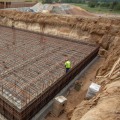
- Reinforced Concrete: This type incorporates steel reinforcement bars (rebar) or mesh within the concrete mix, enhancing its tensile strength. Reinforced concrete is ideal for foundations that must withstand heavy loads and resist cracking.
- Pre-stressed Concrete: In this method, steel tendons are tensioned before the concrete is poured. This pre-stressing process allows the concrete to handle greater loads and reduces the risk of cracking, making it suitable for large-scale projects.
- Lightweight Concrete: Made with lightweight aggregates, this type reduces the overall weight of the foundation while maintaining adequate strength. It is particularly useful in areas with poor soil conditions.
- High-Strength Concrete: Designed to achieve higher compressive strength than standard concrete, this type is often used in deep foundations and structures requiring exceptional load-bearing capacity.
Advantages of Concrete Foundations
The use of concrete in foundation design offers several advantages:- Durability: Concrete is resistant to weathering, erosion, and chemical attacks, ensuring a long-lasting foundation.
- Fire Resistance: Concrete does not burn, providing an added layer of safety for structures.
- Low Maintenance: Once set, concrete requires minimal upkeep compared to other materials.
- Cost-Effectiveness: While initial costs may be higher, the longevity and low maintenance needs of concrete can lead to savings over time.
Understanding these options allows builders and architects to make informed decisions that align with their project requirements.
Steel: Strength and Durability in Foundations
When it comes to foundation design, the incorporation of steel is pivotal due to its exceptional strength and durability. Steel foundations are increasingly favored in various construction projects, particularly in areas where soil conditions may be less than ideal.Steel Reinforcement in Foundations
- Reinforced Concrete: One of the most common applications of steel in foundation design is through reinforced concrete. Steel bars, or rebar, are embedded within concrete to enhance its tensile strength, making it more resilient against cracking and structural failure.
- Steel Piles: In situations where deep foundations are necessary, steel piles provide a robust solution. These piles are driven deep into the ground to reach stable soil layers, offering excellent load-bearing capacity.
- Steel Frames: For larger structures, steel frames can be integrated into the foundation system.
This approach not only supports the weight of the building but also allows for greater flexibility in design.
Benefits of Steel in Foundation Design
- High Strength-to-Weight Ratio: Steel's remarkable strength-to-weight ratio means that less material is needed compared to other options, reducing overall construction costs.
- Durability: Steel is resistant to many environmental factors, including corrosion and pests, which can compromise other materials. When properly treated and maintained, steel foundations can last for decades.
- Speed of Construction: The use of steel components can expedite the construction process. Prefabricated steel elements can be quickly assembled on-site, minimizing labor time and costs.
Wood: Traditional Foundations and Modern Applications
Wood has been a traditional material in foundation design for centuries, primarily due to its availability and ease of use.While modern construction often favors concrete and steel, wood remains relevant in specific applications, particularly in residential buildings.
Types of Wood Used in Foundations
- Pressure-Treated Lumber: This type of wood is infused with preservatives to resist decay and insect damage, making it suitable for ground contact.
- Cedar: Known for its natural resistance to moisture and insects, cedar is often used in areas with high humidity.
- Pine: Commonly used for its affordability, pine can be treated to enhance its durability in foundation applications.
Advantages of Wood in Foundation Design
- Cost-Effective: Wood is generally less expensive than concrete or steel, making it an attractive option for budget-conscious projects.
- Lightweight: The lightweight nature of wood simplifies transportation and installation, reducing labor costs.
- Insulation Properties: Wood provides better thermal insulation compared to concrete, which can contribute to energy efficiency in buildings.
Disadvantages of Wood in Foundation Design
- Susceptibility to Moisture: Without proper treatment, wood can absorb moisture, leading to rot and structural issues over time.
- Pest Infestation: Wood foundations are vulnerable to termites and other pests unless adequately treated.
- Limited Lifespan: Compared to concrete or steel, wood foundations may have a shorter lifespan, necessitating more frequent repairs or replacements.
Masonry: Versatile Materials for Foundation Construction
Masonry materials, including brick and stone, are widely recognized for their strength and durability, making them a popular choice in foundation design. These materials not only provide structural integrity but also offer aesthetic appeal, allowing for a variety of architectural styles.Types of Masonry Materials
- Brick: Bricks are made from clay or concrete and are known for their uniformity and ease of handling. They can be used in various configurations to create stable and robust foundations.
- Stone: Natural stone, such as granite or limestone, is often used for its exceptional strength and resistance to weathering.
Stone foundations can be more expensive but provide a timeless look.
- Concrete Block: Concrete masonry units (CMUs) are versatile and can be used in both load-bearing and non-load-bearing applications. They are often reinforced with steel for added strength.
- Durability: Masonry materials are resistant to rot, pests, and fire, ensuring a long-lasting foundation.
- Load-Bearing Capacity: The compressive strength of masonry allows it to support heavy loads, making it ideal for various building types.
- Energy Efficiency: Masonry provides excellent thermal mass, helping to regulate indoor temperatures and reduce energy costs.
- Aesthetic Versatility: With a range of colors, textures, and patterns available, masonry can enhance the visual appeal of a structure while maintaining structural integrity.
Composite Materials: Innovations in Foundation Design
In recent years, the use of composite materials in foundation design has gained significant traction due to their innovative properties and advantages over traditional materials. Composites, which are made from two or more constituent materials with different physical or chemical properties, offer unique benefits that can enhance the performance and longevity of foundations.Advantages of Composites in Foundation Design
- Lightweight: Composite materials are generally lighter than traditional concrete and steel, which can reduce the overall load on the foundation and allow for easier handling during construction.
- Corrosion Resistance: Many composites are resistant to corrosion, making them ideal for environments where moisture or chemicals may compromise traditional materials.
- Flexibility: The inherent flexibility of composite materials allows for better adaptability to ground movement and shifting, reducing the risk of structural damage.
- Thermal Insulation: Composites often provide superior thermal insulation properties, which can contribute to energy efficiency in buildings.
As technology advances, we can expect to see even more innovative applications of composites in this field.
Future Trends in Foundation Materials
The future of foundation design is likely to be shaped by ongoing research and development in composite materials. Emerging trends include:
- Smart Composites: Incorporating sensors into composite materials could allow for real-time monitoring of foundation integrity and performance.
- Sustainable Composites: The development of eco-friendly composites made from recycled or bio-based materials is expected to gain momentum, aligning with global sustainability goals.
- 3D Printing: Advances in 3D printing technology may enable the creation of complex composite structures that were previously impossible to achieve with traditional methods.
Environmental Considerations in Material Selection
In the realm of foundation design, the selection of materials plays a crucial role not only in structural integrity but also in environmental sustainability. As the construction industry increasingly prioritizes eco-friendliness, understanding the impact of various materials on the environment becomes essential.One of the most promising approaches to sustainable foundation materials is the use of recycled concrete. This material, derived from crushed concrete structures, significantly reduces waste and minimizes the need for new raw materials.By incorporating recycled concrete into foundation design, builders can lower their carbon footprint while maintaining strength and durability.Another eco-friendly option is rammed earth, which utilizes natural soil compacted into forms to create sturdy foundations. This method not only reduces reliance on manufactured materials but also enhances thermal mass, contributing to energy efficiency in buildings.
- Bamboo: Known for its rapid growth and renewability, bamboo can be used in certain foundation applications, particularly in regions where it is abundant.
- Geopolymer concrete: Made from industrial byproducts like fly ash or slag, geopolymer concrete offers a lower carbon alternative to traditional Portland cement.
- Wood: In some cases, sustainably sourced timber can be utilized for foundation elements, especially in less load-bearing applications.
As awareness of climate change and resource depletion increases, the construction industry must adapt by prioritizing eco-friendly options that contribute to a healthier planet.
FAQs About Foundation Design Materials
When it comes to foundation design, selecting the right materials is crucial for ensuring stability and longevity. Here are some frequently asked questions regarding common materials used in foundation design:What are the most common materials used in foundation design?
The most prevalent materials include:- Concrete: Known for its strength and durability, concrete is often used in various forms, such as poured concrete, concrete blocks, and precast panels.
- Steel: Steel reinforcements, or rebar, are commonly integrated into concrete foundations to enhance tensile strength.
- Wood: While less common for permanent structures, treated wood can be used in specific applications like pier foundations.
- Masonry: Brick and stone are sometimes utilized for their aesthetic appeal and structural integrity.
How do I choose the right material for my foundation?
Selecting the appropriate material depends on several factors:- Soil Type: The characteristics of the soil can significantly influence material choice. For instance, expansive clay may require deeper foundations.
- Load Requirements: The weight of the structure will dictate the strength needed from the foundation materials.
- Climate: In areas with severe weather conditions, materials must withstand environmental stresses.
Are there eco-friendly options for foundation materials?
Yes, there are sustainable alternatives available:- Recycled Concrete: Using crushed concrete from demolished structures can reduce waste and lower costs.
- Bamboo: In some regions, bamboo is being explored as a lightweight and sustainable option for certain types of foundations.
Conclusion: Key Takeaways on Foundation Materials
In summary, the selection of materials for foundation design is a critical aspect that can significantly influence the stability and longevity of a structure. Understanding the properties and applications of various materials allows engineers and architects to make informed decisions that align with the specific needs of each project.- Concrete: Known for its strength and durability, concrete is a popular choice for foundations.
Its ability to withstand compressive forces makes it ideal for various soil conditions.
- Steel: Often used in combination with concrete, steel reinforcements enhance the tensile strength of foundations, making them suitable for high-load structures.
- Wood: While less common in modern construction, treated wood can be effective in certain environments, particularly in residential buildings where moisture levels are controlled.
- Stone: Natural stone provides excellent load-bearing capabilities and aesthetic appeal, often used in historical or high-end constructions.
- Geosynthetics: These synthetic materials are increasingly used to improve soil stability and drainage, playing a vital role in modern foundation design.