Understanding soil settlement is crucial for effective foundation design, as it directly impacts the stability and longevity of structures. Soil settlement refers to the gradual sinking or compression of soil under the weight of a building or other loads. This phenomenon can lead to uneven settling, which may cause structural damage, misalignment, and even catastrophic failures if not properly addressed during the design phase. Therefore, recognizing how soil behaves under various conditions is essential for engineers and architects alike. The relationship between soil characteristics and foundation design cannot be overstated.
Different types of soil exhibit varying degrees of compressibility, permeability, and load-bearing capacity. For instance, clay soils tend to settle more than sandy soils due to their unique properties. This variability necessitates a thorough geotechnical analysis before any construction begins. By understanding the specific soil conditions at a site, designers can choose appropriate foundation types—such as shallow or deep foundations—that will accommodate potential settlement issues. Moreover, the importance of soil in construction extends beyond just its physical properties; it also influences the overall safety and performance of a structure.
A well-designed foundation that takes into account the potential for soil settlement can mitigate risks and enhance durability. As we delve deeper into this topic, we will explore various strategies and techniques that can be employed in foundation design to address the challenges posed by soil settlement.
What is Soil Settlement?
Soil settlement
refers to the gradual sinking or displacement of the ground surface due to changes in the soil structure. This phenomenon is critical to understand in the context of foundation design, as it can significantly impact the stability and integrity of structures built on or within the soil.
Types of Soil Settlement
- Immediate Settlement: This type occurs instantly when a load is applied to the soil. It is primarily due to the rearrangement of soil particles and is often noticeable in granular soils.
- Consolidation Settlement: This happens over time as pore water is expelled from saturated soils under load.
It is a slow process and can take months or even years, depending on the soil type and loading conditions.
- Secondary Settlement: Also known as creep, this type occurs after consolidation has taken place. It results from the gradual rearrangement of soil particles under sustained load, leading to further settlement.
Causes of Soil Settlement
The causes of soil settlement can be varied and complex. Some of the primary factors include:- Moisture Changes: Fluctuations in moisture content can lead to expansion or contraction of soil, affecting its density and stability.
- Load Application: The weight of structures, vehicles, and other loads can compress the soil beneath them, leading to immediate or consolidation settlement.
- Soil Type: Different types of soil have varying properties that influence their susceptibility to settlement. For instance, clayey soils are more prone to consolidation than sandy soils.
Engineers must consider these factors to ensure that structures remain stable and safe over time.
The Importance of Foundation Design
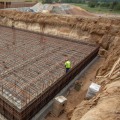
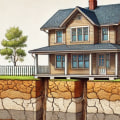
Foundation design is a critical aspect of construction that ensures the stability and longevity of a structure. It involves understanding various foundation design principles that dictate how a building interacts with the ground beneath it. These principles take into account factors such as load distribution, soil characteristics, and environmental conditions.There are primarily two types of foundations: shallow foundations and deep foundations. Shallow foundations are typically used for structures with lighter loads and are placed close to the surface of the ground.They include options like spread footings and mat foundations. In contrast, deep foundations are necessary for heavier structures or when soil conditions are poor. These foundations extend deeper into the ground to reach more stable soil layers and include types such as piles and drilled shafts.The role of foundations in construction cannot be overstated. They serve as the interface between the building and the earth, transferring loads safely to prevent settlement or failure.
A well-designed foundation accommodates potential soil movement, which is particularly important in areas prone to soil settlement. Soil settlement can occur due to various factors, including moisture changes, compaction, or excavation activities. If not properly addressed in the foundation design, these movements can lead to structural issues such as cracking walls or uneven floors.In summary, effective foundation design is essential for ensuring that a structure remains safe and functional throughout its lifespan. By considering soil conditions and employing appropriate foundation types, engineers can mitigate risks associated with soil settlement and enhance the overall integrity of the building.
How Soil Settlement Affects Foundation Design
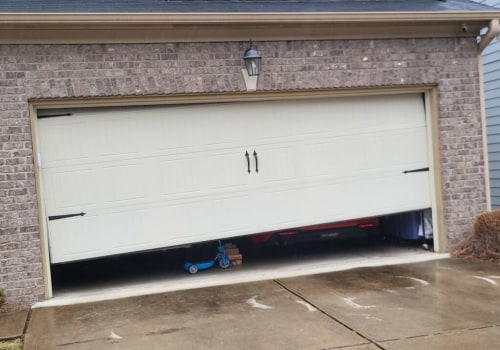
Soil settlement is a critical factor that significantly influences foundation design.When soil beneath a structure compresses or shifts, it can lead to various issues, including differential settlement, which occurs when different parts of the foundation settle at varying rates. This uneven settling can cause structural damage, such as cracks in walls, misaligned doors and windows, and in severe cases, complete foundation failure.One of the primary risks associated with soil settlement is the potential for foundation failure. If the foundation is not designed to accommodate expected soil movements, it may not provide adequate support for the structure. This can lead to catastrophic consequences, including safety hazards and costly repairs.
Therefore, understanding the soil's characteristics and behavior is essential during the design phase.
Design Considerations for Soil Settlement
- Soil Testing: Conducting thorough soil tests is crucial to determine its composition, density, and moisture content. This information helps engineers predict how the soil will behave under load.
- Foundation Type: Selecting the appropriate type of foundation—such as shallow or deep foundations—can mitigate risks associated with soil settlement. Deep foundations may be necessary in areas with poor soil conditions.
- Load Distribution: Designing foundations that distribute loads evenly can help minimize differential settlement. Techniques such as using wider footings or reinforced concrete can enhance stability.
- Drainage Solutions: Implementing effective drainage systems can prevent water accumulation around the foundation, reducing the risk of soil erosion and subsequent settlement.
By considering factors such as soil testing, foundation type, load distribution, and drainage solutions, engineers can create resilient foundations that withstand the challenges posed by settling soils.
Methods to Assess Soil Settlement
Assessing soil settlement is crucial for effective foundation design, as it helps engineers understand how the ground will behave under load. Various methods are employed to evaluate soil settlement, each with its own advantages and applications.Geotechnical Investigation Methods
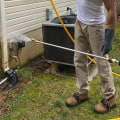
One of the primary techniques for assessing soil settlement is through geotechnical investigations. These investigations typically include:- Soil Sampling: Collecting soil samples from different depths allows for laboratory testing to determine soil properties such as density, moisture content, and shear strength.
- Standard Penetration Test (SPT): This field test measures the resistance of soil to penetration, providing insights into its density and consistency.
- Cone Penetration Test (CPT): A continuous test that provides a profile of soil resistance, helping to identify layers and their properties.
Monitoring Soil Settlement
In addition to initial assessments, ongoing monitoring of soil settlement is essential for long-term foundation performance. Common monitoring techniques include:- Settlement Plates: Installed at various depths, these plates measure vertical displacement over time, allowing engineers to track changes in soil behavior.
- Inclinometers: Used to measure lateral movement in the soil, which can indicate potential instability or excessive settlement.
- GPS Monitoring: Advanced technology that provides precise measurements of ground movement, useful for large-scale projects or areas with complex geological conditions.
Understanding the characteristics of the soil and its potential for settlement is vital in mitigating risks associated with foundation failure.
Design Strategies to Mitigate Soil Settlement Risks
To effectively address the challenges posed by soil settlement in foundation design, engineers can implement a variety of strategies and best practices. These methods not only enhance the stability of structures but also ensure long-term performance and safety.- Soil Investigation and Analysis: Conducting thorough soil investigations is crucial. This includes geotechnical surveys to assess soil properties, moisture content, and load-bearing capacity. Understanding the soil profile allows engineers to tailor foundation designs to specific site conditions.
- Use of Deep Foundations: In areas prone to significant settlement, deep foundations such as piles or caissons can be employed.
These foundations transfer loads to deeper, more stable soil layers, minimizing the risk of settlement.
- Foundation Type Selection: Choosing the right type of foundation is essential. For instance, mat foundations distribute loads over a larger area, reducing stress on the underlying soil and helping to mitigate settlement issues.
- Soil Improvement Techniques: Techniques such as compaction grouting, vibro-compaction, or soil stabilization can enhance the load-bearing capacity of the soil. These methods improve soil density and reduce the likelihood of future settlement.
- Monitoring and Maintenance: Implementing a monitoring system to track any signs of settlement post-construction is vital. Regular inspections can help identify potential issues early, allowing for timely interventions.
For example, in urban areas where existing structures are at risk due to nearby construction, engineers have utilized micro-piling techniques to reinforce foundations without disturbing surrounding soil. This approach not only protects existing buildings but also ensures that new constructions are built on stable ground.In conclusion, by integrating these engineering solutions into foundation design, professionals can significantly reduce the risks associated with soil settlement, leading to safer and more durable structures.
Case Studies: Foundation Design Challenges Due to Soil Settlement
Understanding the impact of soil settlement on foundation design is crucial, as evidenced by several notable case studies. These real-world examples highlight the challenges and lessons learned from foundation failures due to inadequate assessment of soil conditions.Case Study 1: The Leaning Tower of Pisa
The Leaning Tower of Pisa is a classic example of how soil settlement can affect foundation design. Originally constructed in the 12th century, the tower began to lean shortly after construction due to unstable subsoil conditions.The foundation, which was only three meters deep, could not adequately support the weight of the structure. This case illustrates the importance of conducting thorough soil investigations before commencing construction.
Case Study 2: The John Hancock Center
In Chicago, the John Hancock Center faced significant challenges during its construction in the 1960s. The building's foundation was designed to accommodate potential soil settlement; however, unexpected soil conditions led to differential settlement. Engineers had to implement a complex system of caissons and underpinning to stabilize the structure.This case emphasizes the need for flexible foundation design that can adapt to unforeseen soil behavior.
Case Study 3: The Millennium Tower
The Millennium Tower in San Francisco has become infamous for its rapid settlement and tilting issues. Built on a foundation that did not adequately account for the soft clay layers beneath, the tower has settled over 18 inches since its completion in 2009. This situation has prompted extensive legal battles and costly remediation efforts, underscoring the critical nature of proper site assessments and foundation design.These case studies serve as stark reminders of the potential consequences of neglecting soil settlement in foundation design. They highlight the necessity for engineers to conduct comprehensive geotechnical investigations and consider innovative solutions to mitigate risks associated with soil behavior.Frequently Asked Questions about Soil Settlement and Foundation Design
Understanding the relationship between soil settlement and foundation design is crucial for ensuring the stability and longevity of structures. Here are some frequently asked questions that clarify this important topic:- What is soil settlement?
Soil settlement refers to the gradual sinking or settling of the ground due to various factors, including the weight of structures, moisture changes, and soil compaction.This process can lead to uneven settling, which may compromise a building's foundation.
- How does soil settlement affect foundation design?
When designing a foundation, engineers must consider potential soil settlement to prevent structural damage. If not properly accounted for, soil movement can lead to cracks in walls, misaligned doors and windows, and even catastrophic failures. - What are common misconceptions about soil and foundations?
One common misconception is that all soils behave uniformly. In reality, different soil types have varying load-bearing capacities and settlement characteristics. Additionally, some believe that a deep foundation will always solve settlement issues; however, proper site analysis is essential for effective foundation design. - How can I determine if my property is at risk for soil settlement?
A thorough geotechnical investigation is necessary to assess soil conditions.This includes soil sampling and testing to evaluate its composition, moisture content, and compaction levels. Consulting with a qualified engineer can provide insights into potential risks.
Conclusion: The Interplay Between Soil Settlement and Foundation Design
In conclusion, the relationship between soil settlement and foundation design is critical for ensuring the stability and longevity of any construction project. Throughout this article, we have explored how various factors such as soil type, moisture content, and load-bearing capacity can significantly influence the behavior of soil under structures. Understanding these dynamics allows engineers and architects to make informed decisions when designing foundations. For instance, recognizing the potential for settlement can lead to the selection of appropriate foundation types, such as deep foundations or mat foundations, which are better suited to handle varying soil conditions. Moreover, implementing effective soil testing and analysis techniques is essential in predicting how soil will behave over time.This proactive approach not only mitigates risks associated with unexpected settlement but also enhances the overall safety and performance of the structure. As we have discussed, neglecting the implications of soil settlement can result in severe consequences, including structural damage and increased maintenance costs. Therefore, it is imperative for construction professionals to prioritize a thorough understanding of soil characteristics during the foundation design process. In summary, a well-informed approach to foundation design, taking into account the nuances of soil settlement, is vital for achieving successful construction outcomes. By integrating comprehensive soil analysis with innovative design strategies, we can ensure that our structures remain safe, durable, and resilient against the challenges posed by their underlying soils.