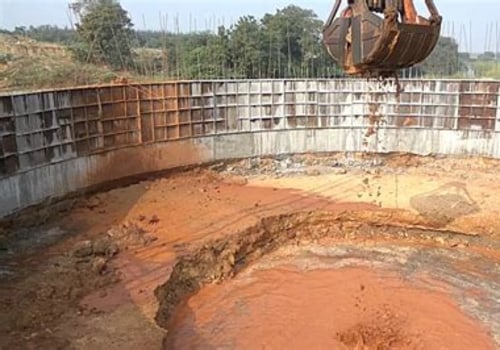
When it comes to construction, foundation design is a critical aspect that often goes unnoticed until problems arise. A well-designed foundation serves as the backbone of any structure, ensuring stability and longevity. It is essential to understand that the foundation is not merely a base; it is a complex system that must be tailored to the specific conditions of the site, including soil type, load requirements, and environmental factors. This initial planning phase sets the stage for the entire building's performance over time. There are various types of foundations, each suited for different types of structures and soil conditions.
From shallow foundations like spread footings to deep foundations such as piles and caissons, the choice of foundation impacts not only the immediate safety of the building but also its long-term durability. A poorly designed foundation can lead to issues such as settling, cracking, and even structural failure, which can be costly to repair and may compromise the integrity of the entire building. The importance of foundation design cannot be overstated; it is a fundamental element that influences maintenance needs and overall lifespan. A robust foundation minimizes the risk of damage from environmental factors and reduces the frequency of repairs needed over time. By investing in quality foundation design from the outset, property owners can ensure that their structures remain safe and functional for years to come, ultimately saving time and money in maintenance costs.
The Importance of Maintenance in Foundation Longevity
Maintaining a foundation is crucial for ensuring its longevity and structural integrity.Foundation maintenance involves regular inspections and timely repairs that can prevent minor issues from escalating into major problems. By addressing potential concerns early, homeowners can significantly extend the lifespan of their foundation.One of the primary factors affecting foundation longevity is moisture control. Excessive moisture can lead to soil expansion and contraction, which places undue stress on the foundation. Regular maintenance practices, such as:
- Ensuring proper drainage around the foundation
- Cleaning gutters and downspouts to prevent water accumulation
- Sealing cracks and gaps to keep moisture out
Homeowners should be vigilant for:
- Cracks in walls or floors
- Doors and windows that stick or do not close properly
- Uneven floors or sloping surfaces
Common Maintenance Practices for Foundations
Maintaining a strong and stable foundation is essential for the longevity of any structure. Homeowners and builders alike should adopt common maintenance practices to ensure that their foundations remain in optimal condition.Here are some key practices to consider:
- Regular Inspections: Conduct thorough inspections of the foundation at least once a year. Look for signs of cracks, settling, or water damage. Early detection can prevent more significant issues down the line.
- Manage Water Drainage: Ensure that gutters and downspouts are functioning correctly to direct water away from the foundation. Poor drainage can lead to soil erosion and increased pressure on the foundation.
- Maintain Landscaping: Keep plants and trees at a safe distance from the foundation.
Roots can penetrate and disrupt the foundation, while excessive moisture from nearby vegetation can weaken it.
- Check for Plumbing Leaks: Regularly inspect plumbing systems for leaks that could saturate the soil around the foundation. Even minor leaks can lead to significant problems over time.
- Monitor Soil Conditions: Be aware of changes in soil moisture levels around your home. Expanding or contracting soil can cause shifting, which may compromise the foundation's integrity.
- Inspecting for cracks or signs of movement.
- Cleansing gutters and downspouts.
- Checking landscaping for overgrowth.
- Monitoring plumbing systems for leaks.
- Assessing drainage systems for effectiveness.
Signs Your Foundation Needs Maintenance
Recognizing the signs of foundation problems early can save homeowners from significant repair costs and ensure the longevity of their property.Here are some common indicators that your foundation may need maintenance:
- Cracks in Walls: Look for vertical or horizontal cracks in your interior and exterior walls. Small cracks can be normal, but larger ones may indicate shifting or settling.
- Uneven Floors: If you notice that your floors are sloping or uneven, it could be a sign of foundation issues. This can lead to further complications if not addressed promptly.
- Doors and Windows Sticking: Difficulty in opening or closing doors and windows can suggest that the foundation is shifting, causing frames to warp.
- Gaps Around Windows and Doors: If you see gaps forming between the frames and the walls, this may indicate movement in the foundation.
- Water Pooling: Excessive water pooling around your home’s foundation can lead to erosion and damage. Ensure proper drainage to prevent this issue.
Regular maintenance checks can help identify potential problems before they escalate. Homeowners should consider scheduling a professional inspection if they notice any of these symptoms, as timely intervention is key to preserving the integrity of your foundation design.In addition to these visible signs, keep an eye on your home’s overall condition. Changes in the environment, such as heavy rainfall or drought, can also impact your foundation. Being proactive about maintenance not only protects your investment but also enhances the safety and comfort of your living space.
The Consequences of Neglecting Foundation Maintenance
Neglecting foundation maintenance can lead to a cascade of issues that not only compromise the integrity of the structure but also incur significant financial costs.Understanding the consequences of foundation neglect is crucial for homeowners and property managers alike.One of the most immediate risks associated with poor maintenance is the development of cracks in the foundation. These cracks can allow water infiltration, leading to moisture problems in the basement or crawl space. Over time, this moisture can cause mold growth, which poses health risks to occupants and can lead to costly remediation efforts.Additionally, foundation damage can manifest in various forms, including:
- Settling or sinking: A neglected foundation may settle unevenly, causing structural misalignment and potential collapse.
- Heaving: Expansive soils can push up on foundations that are not properly maintained, leading to severe structural issues.
- Water damage: Poor drainage systems or blocked gutters can exacerbate water pooling around the foundation, increasing the risk of erosion and further damage.
Homes with visible foundation issues often deter potential buyers, leading to longer selling times and reduced offers.In summary, the risks associated with neglecting foundation maintenance are substantial. From structural damage to health hazards and decreased property value, prioritizing regular inspections and maintenance is essential for ensuring a safe and stable living environment.
Professional vs. DIY Foundation Maintenance: What You Need to Know
When it comes to foundation maintenance, homeowners often face a critical decision: should they hire professionals or tackle the job themselves? Both options have their merits, but understanding the differences can help you make an informed choice that aligns with your needs and budget.Professional Foundation Maintenance
Engaging a professional for foundation maintenance offers several advantages:- Expertise: Professionals bring years of experience and specialized knowledge, ensuring that any issues are accurately diagnosed and effectively addressed.
- Advanced Tools: They have access to high-quality tools and technology that can detect problems not visible to the untrained eye.
- Comprehensive Services: Many professionals offer a range of services, from inspections to repairs, providing a one-stop solution for all your foundation needs.
- Warranty and Insurance: Professional work often comes with warranties, giving you peace of mind that the job is done right.
DIY Foundation Care
On the other hand, some homeowners may prefer a DIY approach for various reasons:- Cost Savings: DIY maintenance can significantly reduce costs, especially for minor repairs or routine inspections.
- Flexibility: Homeowners can schedule maintenance at their convenience without relying on professional availability.
- Satisfaction: Completing tasks yourself can provide a sense of accomplishment and deeper understanding of your home’s structure.
Additionally, some repairs may require permits or professional oversight to ensure compliance with local building codes.The cost of foundation repair can vary widely based on the severity of the issue and whether you choose professional help or DIY solutions. While DIY might save money initially, investing in professional services can prevent costly repairs in the future. Ultimately, weighing the pros and cons of each approach will help you determine the best course of action for maintaining your foundation's integrity.
FAQs About Foundation Maintenance and Longevity
When it comes to foundation maintenance, many homeowners have questions about how to properly care for their foundations and the impact of maintenance on longevity. Here are some frequently asked questions:What are the signs that my foundation needs maintenance?
Common indicators that your foundation may require attention include:- Cracks in walls or floors: Small cracks can be normal, but large or widening cracks may signal foundation issues.
- Doors and windows sticking: If doors or windows are difficult to open or close, it could indicate shifting in the foundation.
- Uneven floors: Sloping or uneven floors can be a sign of foundation settlement.
- Water pooling: Excessive water accumulation around the foundation can lead to erosion and damage.
How often should I inspect my foundation?
It is advisable to conduct a thorough inspection of your foundation at least once a year.Additionally, after severe weather events, such as heavy rain or snow, you should check for any new signs of damage.
What maintenance tasks can I perform myself?
Homeowners can take several proactive steps to maintain their foundations:- Ensure proper drainage: Keep gutters clean and direct downspouts away from the foundation.
- Manage landscaping: Avoid planting trees too close to the foundation, as roots can cause damage.
- Monitor moisture levels: Use a moisture meter to ensure that soil around the foundation remains stable.
When should I hire a professional?
If you notice significant cracks, shifting, or other serious issues, it’s crucial to consult a professional. A structural engineer or foundation specialist can provide an accurate assessment and recommend necessary repairs.By addressing these common questions and understanding the importance of foundation care, homeowners can significantly enhance the longevity of their foundations and prevent costly repairs in the future.Conclusion: The Key Takeaways on Foundation Maintenance and Longevity
In summary, the role of maintenance in the longevity of a foundation cannot be overstated. A well-designed foundation is only as strong as the care it receives over time. Regular maintenance not only preserves the structural integrity of the foundation but also enhances its overall performance. Key takeaways include:- Regular Inspections: Conducting routine inspections can help identify potential issues before they escalate into costly repairs.
Look for signs of cracks, water pooling, or shifting soil.
- Moisture Control: Managing moisture levels around the foundation is crucial. Implementing proper drainage systems and ensuring gutters are clear can prevent water damage.
- Soil Management: Understanding the soil composition and its behavior can inform necessary adjustments to the foundation design. Soil erosion or expansion can significantly impact foundation stability.
- Timely Repairs: Addressing minor issues promptly can prevent them from developing into major problems. This includes sealing cracks and addressing drainage issues.
By prioritizing these practices, homeowners can ensure that their foundations remain strong and resilient for years to come.