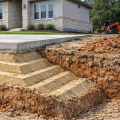
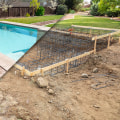
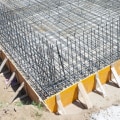
Foundation design is a critical aspect of civil engineering and construction that involves the planning and creation of a structure's foundation. It serves as the base upon which buildings, bridges, and other infrastructures are constructed, ensuring stability and safety. A well-designed foundation is essential for distributing the weight of the structure evenly across the ground, preventing settlement or failure over time. In essence, foundation design is not just about supporting a building; it is about creating a secure environment that can withstand various forces such as gravity, wind, and seismic activity. The importance of foundation design cannot be overstated.
A poorly designed foundation can lead to catastrophic failures, resulting in significant financial loss and potential harm to occupants. Engineers must consider various factors when designing foundations, including soil type, load-bearing capacity, environmental conditions, and local building codes. By understanding these elements, engineers can create foundations that not only support the structure but also enhance its longevity and performance. In summary, foundation design is a fundamental component of any construction project. It lays the groundwork for structural integrity and safety, making it a vital area of expertise within the engineering field.
As we delve deeper into this topic, we will explore different types of foundation designs, their applications, and best practices to ensure successful construction outcomes.
The Importance of Foundation Design in Construction
The importance of foundation design in construction cannot be overstated. A well-designed foundation is essential for the overall stability and longevity of any structure. It serves as the critical interface between the building and the ground, distributing loads and ensuring that the building remains upright and secure over time.One of the primary roles of a foundation is to provide stability. It must be capable of supporting the weight of the entire structure while also resisting various forces such as wind, earthquakes, and soil movement.A poorly designed foundation can lead to significant issues, including:
- Settlement: Uneven settling can cause cracks in walls, misaligned doors and windows, and even structural failure.
- Water Damage: Inadequate drainage or improper grading can lead to water pooling around the foundation, increasing the risk of moisture intrusion and damage.
- Safety Hazards: A compromised foundation can pose serious safety risks to occupants, potentially leading to injuries or fatalities.
Ignoring this critical aspect can lead to costly repairs and potential hazards down the line.
Types of Foundation Designs
Foundation design is a critical aspect of civil engineering that ensures the stability and longevity of structures. There are two primary categories of foundation designs: shallow foundations and deep foundations. Each type serves specific purposes based on soil conditions, load requirements, and environmental factors.Shallow Foundations
Shallow foundations are typically used for structures that do not impose heavy loads on the ground. They are placed close to the surface, usually within 3 to 4 feet.Common types of shallow foundations include:
- Spread Footings: These are wide bases that distribute the load over a larger area, reducing pressure on the soil. They are often used for residential buildings.
- Strip Foundations: Ideal for supporting walls, strip foundations run continuously along the length of the wall, providing uniform support.
- Mat Foundations: Also known as raft foundations, these cover a large area and support multiple columns or walls, making them suitable for heavy structures.
Deep Foundations
Deep foundations are necessary when surface soils cannot support the weight of a structure. They transfer loads to deeper, more stable soil layers or bedrock. Common types of deep foundations include:- Pile Foundations: These consist of long, slender columns driven deep into the ground.
They are effective in transferring loads through weak soil layers to stronger strata below.
- Drilled Shafts: Also known as caissons, these are large-diameter holes drilled into the ground and filled with concrete. They provide robust support for heavy structures.
- Socketed Piles: These extend into bedrock, providing additional stability and resistance against lateral forces.
Factors Influencing Foundation Design
Foundation design is a critical aspect of construction that is influenced by several key factors. Understanding these factors ensures that the foundation can adequately support the structure above it while maintaining safety and stability.- Soil Conditions: The type and properties of soil at the construction site play a significant role in foundation design.
Soil can vary widely in terms of bearing capacity, compressibility, and drainage characteristics. For instance, clay soils may expand or contract with moisture changes, affecting the foundation's integrity. Conducting a thorough geotechnical investigation helps identify these properties and informs the design process.
- Load Considerations: The loads that a foundation must support include both dead loads (the weight of the structure itself) and live loads (temporary loads such as occupants and furniture). Additionally, dynamic loads from wind or seismic activity must be considered.
Accurate load calculations are essential to ensure that the foundation can withstand these forces without failure.
- Environmental Factors: Environmental conditions such as groundwater levels, temperature fluctuations, and potential natural hazards (like flooding or earthquakes) also influence foundation design. For example, high groundwater levels may necessitate special drainage solutions to prevent water accumulation around the foundation.
Foundation Design Process: Step-by-Step Guide
The foundation design process is a critical aspect of construction that ensures the stability and longevity of a structure. This process can be broken down into several key steps, each essential for creating a robust foundation.- Site Analysis: The first step involves a thorough analysis of the site where the structure will be built.
This includes evaluating soil conditions, topography, and existing structures. Soil tests are conducted to determine its bearing capacity, which is crucial for understanding how much load the foundation can support.
- Load Calculations: Once the site analysis is complete, engineers perform load calculations. This step involves determining the total loads that the foundation must bear, including dead loads (the weight of the structure itself) and live loads (the weight of occupants and furniture). Understanding these loads helps in selecting the appropriate foundation type.
- Designing the Foundation: With load calculations in hand, the next step is to design the foundation.
This includes choosing between different types of foundations such as shallow foundations (like spread footings) or deep foundations (like piles or caissons), depending on the site conditions and load requirements.
- Material Selection: Selecting suitable materials is vital for ensuring durability and strength. Common materials include concrete, steel, and masonry. The choice depends on factors like environmental conditions, budget, and structural requirements.
- Construction Methods: Finally, planning the construction methods is essential. This includes determining how the foundation will be excavated, poured, and cured.
Proper construction techniques are necessary to avoid issues such as settling or cracking in the future.
Common Challenges in Foundation Design
Foundation design is a critical aspect of construction that can present various challenges. Understanding these common issues can help engineers and builders anticipate problems and implement effective solutions.- Soil Conditions: One of the primary challenges in foundation design is dealing with varying soil conditions. Soil type, density, and moisture content can significantly affect the load-bearing capacity of a foundation.
Conducting thorough soil tests before design can help identify potential issues.
- Settlement: Differential settlement occurs when different parts of a foundation settle at different rates, leading to structural damage. This can be caused by inadequate soil compaction or changes in moisture levels. To mitigate this, engineers should consider using deep foundations or underpinning techniques.
- Water Table Levels: High water tables can lead to increased hydrostatic pressure on foundations, resulting in potential flooding or erosion. Proper drainage systems and waterproofing measures are essential to address this challenge.
- Load Calculations: Accurately calculating the loads that a foundation must support is crucial.
Underestimating these loads can lead to foundation failure. Engineers should account for live loads, dead loads, and environmental factors such as wind and seismic activity.
- Regular Inspections: Conducting routine inspections can help identify early signs of foundation issues, such as cracks or uneven floors.
- Monitoring Environmental Changes: Keeping an eye on nearby construction activities or natural events (like heavy rainfall) can provide insights into potential risks to the foundation.
- Consulting Experts: Engaging with geotechnical engineers or foundation specialists can provide valuable guidance in addressing complex challenges.
Innovations in Foundation Design Technology
In recent years, the field of foundation design has witnessed significant advancements driven by technological innovations. These developments not only enhance the efficiency of construction processes but also improve safety and sustainability.New Materials in Foundation Design
- Geopolymer Concrete: This eco-friendly alternative to traditional concrete is made from industrial byproducts, reducing carbon emissions and offering superior durability.
- Fiber-Reinforced Polymers (FRP): Used for reinforcing foundations, FRP materials are lightweight yet strong, providing resistance to corrosion and reducing maintenance costs.
- Smart Materials: Incorporating sensors into foundation materials allows for real-time monitoring of structural integrity, enabling proactive maintenance and enhancing safety.
Advanced Techniques in Foundation Construction
- 3D Printing: This innovative technique allows for the rapid construction of foundation elements, reducing labor costs and construction time while allowing for complex designs.
- Micropiling: A method that involves drilling small-diameter piles into the ground, micropiling is ideal for sites with limited access or challenging soil conditions.
- Deep Learning Algorithms: Utilizing AI in foundation design helps engineers analyze soil data more effectively, leading to optimized designs that can withstand environmental stresses.
FAQs About Foundation Design
Understanding foundation design is crucial for anyone involved in construction or real estate.Here are some frequently asked questions that can help clarify common concerns and misconceptions.
What is foundation design?
Foundation design refers to the process of creating a structural base for buildings and other structures. It ensures that the load from the structure is transferred safely to the ground, preventing settlement or failure.Why is foundation design important?
A well-designed foundation is essential for the stability and longevity of a structure. It helps to distribute weight evenly, resist environmental forces, and prevent issues such as cracking or shifting.What are the common types of foundations?
- Shallow foundations: These are typically used for lighter structures and include spread footings and mat foundations.
- Deep foundations: Used for heavier structures, these include piles and drilled shafts that reach deeper soil layers for better support.
How do soil conditions affect foundation design?
The type of soil at a construction site significantly influences foundation design. Soil bearing capacity, moisture content, and stability must be assessed to determine the appropriate foundation type.Poor soil conditions may require specialized designs to ensure safety.
What are some common misconceptions about foundations?
- All foundations are the same: Different structures require different foundation types based on their load and environmental conditions.
- Foundations only need to be strong: While strength is important, factors like flexibility, drainage, and settlement control are equally critical.
Conclusion: Key Takeaways on Foundation Design
In summary, foundation design is a critical aspect of construction that ensures the stability and longevity of structures. Throughout this article, we have explored various elements that contribute to effective foundation design, emphasizing the need for careful planning and execution.Here are the key takeaways:- Understanding Soil Properties: The foundation's performance is heavily influenced by the type of soil it rests upon. Conducting thorough soil tests is essential to determine its bearing capacity and other characteristics.
- Types of Foundations: Different structures require different types of foundations, such as shallow or deep foundations. Each type has its own advantages and is suited for specific conditions.
- Load Considerations: A well-designed foundation must account for both dead loads (the weight of the structure) and live loads (occupants, furniture, etc.).
This ensures that the foundation can support the building throughout its lifespan.
- Environmental Factors: Factors such as water table levels, seismic activity, and climate can significantly impact foundation design. It is crucial to incorporate these elements into the design process to mitigate potential risks.
- Professional Expertise: Engaging with experienced engineers and architects can greatly enhance the quality of foundation design. Their expertise helps in navigating complex regulations and ensuring compliance with safety standards.