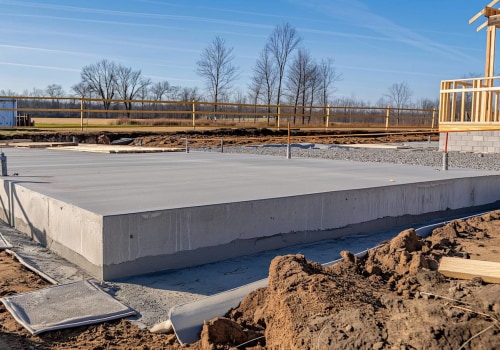
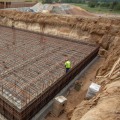
Foundation design is a critical aspect of construction that serves as the backbone of any structure. It involves the planning and execution of a base that can support the weight of the building while ensuring stability and durability over time. The importance of foundation design cannot be overstated; it directly influences the overall structural integrity and longevity of a building. A well-designed foundation not only accommodates the loads imposed by the structure but also mitigates risks associated with environmental factors, such as soil conditions and groundwater levels. There are various types of foundations, each tailored to specific site conditions and building requirements.
From shallow foundations, which are typically used for lighter structures, to deep foundations that reach deeper soil layers for added support, understanding these options is essential for effective foundation design. The choice of foundation type is influenced by numerous factors, including soil bearing capacity, load distribution, and, importantly, the presence of groundwater. Groundwater can significantly impact foundation design by altering soil properties and introducing challenges such as erosion or hydrostatic pressure. As we delve deeper into this topic, it becomes clear that a comprehensive understanding of how groundwater interacts with different foundation types is vital for engineers and architects alike. This knowledge not only enhances safety but also ensures that structures remain resilient against potential water-related issues.
What is Groundwater?
Groundwater is the water that resides beneath the Earth's surface, filling the spaces between soil particles and rock formations.It is a crucial component of the hydrological cycle and plays a significant role in various environmental and engineering contexts, including foundation design.Groundwater originates from several sources, primarily through precipitation that infiltrates the ground. This water can accumulate in aquifers, which are geological formations that can store and transmit water. Understanding the sources of groundwater is essential for assessing its impact on construction projects.
Types of Groundwater
- Unconfined Groundwater: This type of groundwater is found in aquifers that are not capped by impermeable layers. It is directly influenced by surface conditions and can fluctuate with rainfall and evaporation.
- Confined Groundwater: Confined groundwater exists in aquifers that are trapped between layers of impermeable rock or clay.
This type of groundwater is under pressure, which can lead to artesian wells where water flows naturally to the surface.
- Perched Groundwater: This occurs when a localized zone of saturation forms above the main water table due to an impermeable layer. It can be temporary and is often influenced by local topography.
By accounting for these factors, they can create more resilient structures that withstand the challenges posed by subsurface water conditions.
How Groundwater Affects Soil Properties
Groundwater plays a crucial role in determining the soil properties that directly impact foundation design. The presence of groundwater can significantly alter the saturation levels of soil, which in turn affects its physical characteristics.Soil Saturation
- When groundwater levels rise, soils can become saturated, meaning that the voids between soil particles are filled with water. This saturation can lead to a decrease in the effective stress within the soil, which is critical for maintaining stability.
- Saturated soils often exhibit reduced shear strength, making them more susceptible to failure under load. This is particularly important for foundation design, as engineers must account for these changes when determining load-bearing capacities.
Soil Stability
- The stability of soil is heavily influenced by its moisture content.
As groundwater fluctuates, it can lead to conditions such as liquefaction, where saturated soils lose their strength and behave like a liquid during seismic events.
- Additionally, high groundwater levels can increase the risk of settlement and uplift, which can compromise the integrity of foundations. Engineers must evaluate these risks through thorough site investigations and soil testing.
Cohesion and Friction
The interaction between groundwater and soil also affects cohesion and frictional resistance. Cohesive soils, such as clays, may swell when saturated, leading to increased lateral pressures on foundations. Conversely, sandy soils may experience a loss of frictional resistance when saturated, necessitating deeper or more robust foundation designs.In conclusion, understanding how groundwater influences soil properties is essential for effective foundation design.
Engineers must consider factors such as saturation levels, stability, and soil cohesion to ensure that structures are built on a solid and reliable foundation.
The Relationship Between Groundwater and Foundation Types
Understanding the relationship between groundwater and various foundation types is crucial for effective foundation design. Groundwater can significantly influence the stability and longevity of a structure, making it essential to choose the right foundation type based on the site's hydrological conditions.Shallow Foundations
Shallow foundations, typically used for lighter structures, are often more susceptible to groundwater issues. These foundations are placed close to the surface, which means they can be directly affected by fluctuations in groundwater levels. When groundwater rises, it can lead to:- Soil saturation, which reduces the soil's bearing capacity.
- Hydrostatic pressure, potentially causing uplift forces that can destabilize the foundation.
- Erosion, which may undermine the foundation's support.
Deep Foundations
Deep foundations, such as piles or drilled shafts, are designed to transfer loads to deeper, more stable soil layers.These foundations are generally less affected by groundwater fluctuations compared to shallow foundations. However, they are not immune to groundwater issues:
- Pile foundations can experience negative skin friction if groundwater levels rise, leading to additional loads on the piles.
- The installation of deep foundations may require dewatering techniques to ensure a dry work environment, which can complicate construction.
Challenges Posed by Groundwater in Foundation Design
Groundwater presents a variety of challenges that can significantly impact foundation design. Understanding these challenges is crucial for engineers and architects to ensure the stability and longevity of structures.One of the primary issues associated with groundwater is hydrostatic pressure.This pressure arises from the weight of water in the soil and can exert significant force on foundation walls. If not properly accounted for, hydrostatic pressure can lead to:
- Structural damage: Excessive pressure can cause cracks in foundation walls, leading to potential structural failure.
- Water infiltration: Increased pressure may force water into basements or crawl spaces, resulting in moisture problems and mold growth.
- Removing support: As soil is washed away, the stability of the foundation is compromised, increasing the risk of settling or shifting.
- Creating voids: Erosion can create voids beneath the foundation, leading to uneven settling and potential structural issues.
It may necessitate:
- De-watering systems: These systems are often required to manage groundwater levels during construction, adding complexity to the project.
- Specialized foundation types: In areas with high groundwater, engineers may need to consider alternative foundation solutions, such as deep foundations or pilings, to ensure adequate support.
Mitigation Strategies for Groundwater Issues in Foundation Design
When designing foundations in areas with significant groundwater presence, implementing effective mitigation strategies is crucial to ensure structural integrity and longevity. Here are some practical approaches:- Drainage Solutions: Proper drainage systems are essential for managing groundwater levels. Installing French drains around the foundation can help redirect water away from the structure.
These systems consist of perforated pipes buried in gravel that collect and channel excess water, reducing hydrostatic pressure on the foundation.
- Grading: The landscape surrounding the foundation should be graded to slope away from the building. This natural drainage technique prevents water from pooling near the foundation, minimizing the risk of water infiltration.
- Waterproofing Foundations: Applying waterproofing membranes to the exterior of the foundation walls is an effective way to prevent moisture penetration. These membranes create a barrier that protects against groundwater seepage, especially in high-water-table areas.
- Sump Pumps: In cases where groundwater levels are particularly high, installing a sump pump can be a lifesaver. This device actively removes water that accumulates in a sump basin, keeping the area around the foundation dry and reducing the risk of flooding.
- Soil Stabilization: Utilizing soil stabilization techniques can also mitigate groundwater issues.
Methods such as compaction grouting or chemical stabilization can enhance soil strength and reduce its permeability, thereby limiting water movement around the foundation.
Case Studies: Successful Foundation Designs in High Groundwater Areas
Understanding how to design foundations in areas with high groundwater levels is crucial for ensuring structural integrity and longevity. Here are some notable case studies that highlight successful foundation designs in such challenging environments.1.The Burj Khalifa, Dubai
The Burj Khalifa, the tallest building in the world, is situated in an area with a high water table. To address this challenge, engineers employed a deep foundation system consisting of bored reinforced concrete piles that extend deep into the bedrock. This design not only supports the immense weight of the structure but also mitigates the risks associated with groundwater.2.The One World Trade Center, New York City
In New York City, where groundwater levels can fluctuate significantly, the One World Trade Center utilized a combination of a mat foundation and a deep pile system.The mat foundation distributes the load evenly across a large area, while the piles anchor the structure to stable soil layers below the water table. This dual approach has proven effective in maintaining stability despite the challenges posed by groundwater.
3.The Seattle Central Library, Seattle
The Seattle Central Library faced unique challenges due to its location near Puget Sound. Engineers implemented a drainage system around the foundation to manage groundwater effectively. Additionally, they used a combination of concrete caissons and a reinforced concrete slab to ensure that the library remains structurally sound while accommodating the high water levels.4.The Marina Bay Sands, Singapore
This iconic resort complex is built on reclaimed land with high groundwater levels.To counteract potential issues, engineers designed a robust foundation system that includes deep piles and a large mat foundation. The design effectively manages hydrostatic pressure and prevents water intrusion, ensuring the safety and durability of the structure.These examples illustrate that successful foundation design in high groundwater areas requires innovative engineering solutions tailored to specific site conditions. By learning from these case studies, future projects can adopt best practices that enhance stability and resilience against groundwater challenges.
FAQs About Groundwater and Foundation Design
Understanding the relationship between groundwater and foundation design is crucial for ensuring the stability and longevity of structures. Here are some frequently asked questions that can help clarify common concerns:- How does groundwater impact foundation stability?
Groundwater can exert pressure on foundations, especially in areas with high water tables.This pressure can lead to soil erosion or settlement, which may compromise the integrity of the structure.
- What are the signs of groundwater issues?
Common signs include damp spots in the basement, mold growth, and cracks in walls or floors. If you notice these issues, it may indicate that groundwater is affecting your foundation. - Can foundation design mitigate groundwater problems?
Yes, proper foundation design can include drainage systems, waterproofing membranes, and appropriate grading to redirect water away from the foundation. - What types of foundations are best for high groundwater areas?
Pile foundations or deep foundations are often recommended in areas with high groundwater levels as they can reach stable soil layers below the water table. - Is it necessary to conduct a groundwater assessment before construction?
Absolutely. A thorough assessment helps identify potential groundwater issues and informs the design process to ensure a stable foundation.
Conclusion: Key Takeaways on Groundwater's Impact on Foundation Design
In conclusion, understanding the influence of groundwater on foundation design is crucial for ensuring the stability and longevity of structures. Throughout this article, we have explored several key aspects that highlight the importance of incorporating groundwater considerations into the foundation design process.- Soil Behavior: Groundwater levels can significantly alter soil behavior, affecting its load-bearing capacity.
Saturated soils may lead to increased pore water pressure, which can reduce effective stress and compromise foundation stability.
- Hydrostatic Pressure: The presence of groundwater exerts hydrostatic pressure on foundations, which must be accounted for in design calculations. Failure to do so can result in structural damage or even catastrophic failure.
- Drainage Solutions: Implementing effective drainage solutions is essential in managing groundwater levels around foundations. Techniques such as French drains or sump pumps can mitigate water accumulation and protect the integrity of the foundation.
- Site Assessment: A thorough site assessment is vital before construction begins. This includes evaluating groundwater conditions through soil testing and monitoring water levels to inform appropriate foundation design strategies.
Ultimately, a proactive approach to groundwater management not only enhances structural safety but also contributes to the overall success of construction projects.