Foundation design is a critical aspect of any construction project, serving as the backbone that supports the entire structure. A well-designed foundation ensures stability, durability, and safety, while a poorly executed one can lead to catastrophic failures. Understanding the common factors that can lead to foundation failures is essential for architects, engineers, and builders alike. These failures not only compromise the integrity of the building but can also result in significant financial losses and safety hazards. The importance of foundation design cannot be overstated.
It involves a comprehensive analysis of soil conditions, load-bearing requirements, and environmental factors. When these elements are overlooked or inadequately addressed, the consequences can be dire. For instance, improper soil assessment may lead to inadequate support for the structure, causing it to settle unevenly or even collapse. Additionally, factors such as water drainage issues and seismic activity must be considered during the design phase to mitigate risks. As we delve deeper into this topic, we will explore various causes of foundation failure, ranging from design flaws to environmental influences.
By identifying these pitfalls early in the planning process, stakeholders can implement effective strategies to ensure that their foundation designs are robust and reliable. This proactive approach not only enhances the longevity of the structure but also safeguards the investment made in construction.
Inadequate Soil Analysis
Before embarking on any foundation design, a comprehensive soil analysis is crucial. The soil beneath a structure plays a pivotal role in determining its stability and longevity. Inadequate analysis can lead to severe structural issues, including settlement, cracking, and even catastrophic failure.Understanding Soil Types
Different soil types exhibit varying characteristics that can significantly impact foundation performance.Common soil types include:
- Sandy Soil: Well-draining but may not provide adequate support for heavy structures.
- Clay Soil: Expands when wet and shrinks when dry, leading to potential movement and instability.
- Silty Soil: Retains moisture well but can become unstable when saturated.
- Rocky Soil: Offers excellent support but can be challenging to excavate.
Soil Testing Methods
To ensure a thorough understanding of the soil's properties, various soil testing methods should be employed:- Standard Penetration Test (SPT): Measures the resistance of soil to penetration, providing insights into its density and strength.
- Atterberg Limits Test: Determines the plasticity of clay soils, which is essential for predicting behavior under load.
- Soil Compaction Test: Assesses the soil's ability to support loads by measuring its density.
- Borehole Sampling: Involves extracting soil samples from various depths to analyze stratification and composition.
Improper Load Calculations
One of the most critical aspects of foundation design is the accuracy of load calculations. Improper load calculations can lead to severe structural issues, compromising the integrity and safety of a building.Understanding the various types of loads that a foundation must support is essential for effective design.
Types of Loads in Foundation Design
- Dead Loads: These are static forces that include the weight of the structure itself, such as walls, roofs, and floors. Accurate assessment of dead loads is crucial as they remain constant over time.
- Live Loads: These are dynamic forces that can change over time, such as occupants, furniture, and equipment. Estimating live loads requires careful consideration of usage patterns and occupancy rates.
- Environmental Loads: Factors such as wind, snow, and seismic activity can impose additional stresses on a foundation. Each of these loads must be calculated based on local conditions and building codes.
For instance, underestimating the load-bearing capacity required for a foundation can lead to excessive settlement or even catastrophic failure. Conversely, overestimating loads may result in unnecessarily expensive designs that do not provide any additional safety benefits.Moreover, improper load calculations can also affect the choice of materials and construction methods. If a foundation is designed without considering all relevant loads, it may not perform as intended under real-world conditions. This can lead to costly repairs and renovations down the line.In conclusion, ensuring precise load calculations is fundamental to successful foundation design.
Engineers must take into account all types of structural loads to create a safe and durable foundation that meets both current and future demands.
Neglecting Environmental Factors
When it comes to foundation design, one of the most critical yet often overlooked aspects is the impact of environmental factors. These factors can significantly influence the stability and longevity of a structure, making it essential for engineers and architects to consider them during the design phase.Weather Effects on Foundation Design
- Rainfall and Soil Saturation: Excessive rainfall can lead to soil saturation, increasing the risk of soil erosion and instability. Foundations built on saturated soils may experience shifting, which can compromise structural integrity.
- Temperature Fluctuations: Extreme temperature changes can cause soil expansion and contraction. This movement can lead to cracks in the foundation if not properly accounted for in the design.
- Wind Loads: In areas prone to high winds, foundations must be designed to withstand lateral forces.
Neglecting this can result in structural failure during storms or hurricanes.
Climate Considerations
- Regional Climate: Different climates present unique challenges. For instance, freeze-thaw cycles in colder regions can cause significant damage to foundations if they are not designed with appropriate materials and techniques.
- Soil Type: The type of soil prevalent in a region affects how foundations should be designed. Clay soils, for example, expand when wet and shrink when dry, necessitating special considerations in foundation depth and type.
By prioritizing these environmental factors in foundation design, builders can significantly reduce the likelihood of structural failures and ensure long-lasting stability.
Poor Construction Practices
When it comes to foundation design, the execution of construction practices plays a critical role in ensuring the stability and longevity of a structure. Poor construction practices can lead to significant failures, often resulting in costly repairs and safety hazards.One of the most common mistakes in foundation construction is inadequate site preparation. This includes failing to properly assess soil conditions, which can lead to improper load-bearing capacity. If the soil is not compacted correctly or if unsuitable materials are used, the foundation may settle unevenly, causing cracks and structural damage.Another frequent issue is the lack of proper drainage systems.Without adequate drainage, water can accumulate around the foundation, leading to erosion and weakening of the soil. This can result in shifting or settling of the foundation over time.
- Improper concrete mixing: Using incorrect ratios of cement, sand, and aggregate can weaken the concrete, making it more susceptible to cracking and failure.
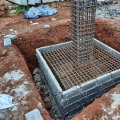
- Neglecting reinforcement: Failing to include sufficient steel reinforcement bars (rebar) can compromise the structural integrity of the foundation.
- Inconsistent curing: Not allowing concrete to cure properly can lead to surface defects and reduced strength.
By prioritizing quality control and adhering to best practices, builders can significantly reduce the risk of foundation failures and ensure a safe, durable structure.
Inadequate Drainage Solutions
Effective drainage solutions are paramount in the realm of foundation design. When water is not properly managed, it can accumulate around the foundation, leading to a host of structural issues. Inadequate drainage can result in soil erosion, increased hydrostatic pressure, and ultimately, foundation failure.One of the primary causes of water accumulation is poor site grading. If the land surrounding a building slopes towards the foundation rather than away from it, rainwater and runoff can pool around the base.This situation is exacerbated in areas with heavy rainfall or poor soil drainage characteristics.To mitigate these risks, several drainage solutions can be implemented:
- French Drains: These are trenches filled with gravel or rock that redirect surface and groundwater away from the foundation.
- Gutters and Downspouts: Properly installed gutters and downspouts can channel rainwater away from the roof and foundation, reducing the risk of water pooling.
- Drainage Mats: These mats can be installed around the foundation to facilitate water movement away from the structure.
- Sump Pumps: In areas prone to flooding, sump pumps can be used to remove excess water that accumulates in basements or crawl spaces.
Failure to Account for Settlement and Movement
In foundation design, one of the most critical aspects to consider is the potential for settlement and ground movement. These factors can significantly impact the stability and longevity of a structure.Failure to adequately account for these issues can lead to severe structural problems, including cracks, misalignment, and even catastrophic failure.
Foundation settlement issues
arise when the soil beneath a foundation compresses or shifts over time. This can be caused by various factors, including:- Soil type: Different soil types have varying load-bearing capacities and compressibility. Clay soils, for instance, are prone to swelling and shrinkage, which can lead to uneven settlement.
- Moisture changes: Fluctuations in moisture content can cause soil expansion or contraction, affecting the foundation's stability.
- Load variations: Changes in the load on a foundation, whether from additional structures or changes in use, can lead to unexpected settlement.
- Soil testing: Performing geotechnical investigations to understand soil properties and behavior under load.
- Settlement analysis: Utilizing models to predict how much settlement may occur over time based on soil characteristics and loading conditions.
- Design adjustments: Implementing design strategies such as deep foundations or soil stabilization techniques to accommodate potential movement.
Ground movement effects on foundations
can also stem from external factors such as seismic activity or nearby construction.
Engineers must consider these influences when designing foundations to ensure they can withstand not only static loads but also dynamic forces.In conclusion, accounting for settlement and ground movement is essential in foundation design. By understanding the underlying soil conditions and employing appropriate engineering techniques, designers can significantly reduce the risk of foundation failure and enhance the overall safety and durability of structures.
Lack of Compliance with Building Codes and Standards
Adhering to building codes and standards is crucial in the realm of foundation design. These regulations are established to ensure safety, structural integrity, and longevity of buildings. When designers and builders neglect these codes, the consequences can be dire.Legal Repercussions
- Non-compliance with building codes can lead to legal actions against the responsible parties.
This may include fines, lawsuits, or even criminal charges in severe cases.
- Building permits may be revoked, leading to costly delays and additional expenses for rework or redesign.
Safety Risks
- A foundation that does not meet established standards can compromise the entire structure, leading to potential collapses or severe damage during natural disasters such as earthquakes or floods.
- Inadequate foundations can also pose risks to occupants, resulting in injuries or fatalities due to structural failures.
Financial Implications
- Ignoring compliance can result in increased insurance premiums or denial of coverage altogether, as insurers may view non-compliance as a significant risk factor.
- The costs associated with rectifying non-compliant foundations can far exceed the initial savings from cutting corners during the design phase.
Conclusion: Key Takeaways on Foundation Design Failures
In conclusion, understanding the common factors that can lead to failures in foundation design is crucial for ensuring the longevity and stability of any structure. Throughout this article, we have explored various elements that contribute to foundation failures, emphasizing the need for meticulous planning and execution.Key Takeaways:- Soil Analysis: A thorough geotechnical investigation is essential.
Ignoring soil conditions can result in inadequate support for the structure.
- Load Considerations: Properly calculating the loads that a foundation must bear is vital. Underestimating these loads can lead to structural failure.
- Design Compliance: Adhering to local building codes and standards ensures that the foundation design meets safety requirements.
- Water Management: Effective drainage systems are necessary to prevent water accumulation, which can weaken the foundation over time.
- Construction Quality: Engaging skilled labor and using quality materials during construction can significantly reduce the risk of foundation issues.