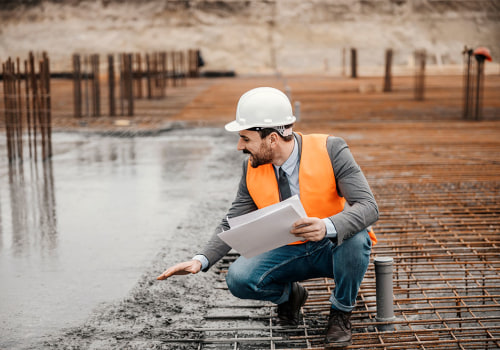
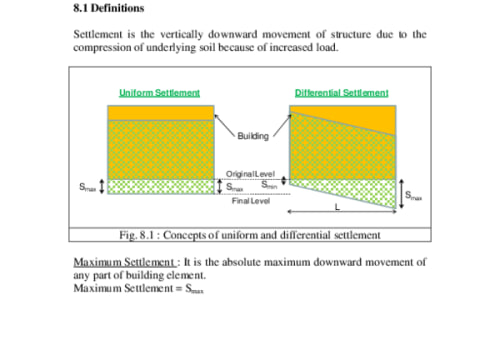
Foundation design is a critical aspect of civil engineering that ensures the stability and longevity of structures. It involves the careful planning and execution of a structure's base, which must adequately support the weight of the building while resisting various environmental forces. The role of a geotechnical engineer is paramount in this process, as they provide essential insights into the soil and rock conditions at the construction site. Understanding these conditions is vital for determining how a foundation will perform over time. Geotechnical engineering encompasses a range of activities, including soil testing, analysis, and the evaluation of subsurface conditions.
By assessing factors such as soil composition, moisture content, and load-bearing capacity, geotechnical engineers can recommend appropriate foundation types—be it shallow foundations like footings or deep foundations such as piles. Their expertise helps to mitigate risks associated with ground movement, settlement, and other geological hazards that could compromise structural integrity. Moreover, the collaboration between geotechnical engineers and structural engineers is crucial for successful foundation design. This partnership ensures that the foundation not only meets safety standards but also aligns with the architectural vision of the project. As urban development continues to expand into challenging terrains, the importance of skilled geotechnical engineers in foundation design cannot be overstated; they are key to creating safe, durable structures that stand the test of time.
What is Foundation Design?
Foundation design is a critical aspect of civil engineering that involves creating a stable base for structures.It ensures that buildings and other constructions can safely support their loads while resisting various environmental forces. The primary purpose of foundation design is to transfer the weight of the structure to the ground, preventing settlement or failure.There are several types of foundations, each suited for different soil conditions and structural requirements:
- Shallow Foundations: These are typically used for lighter structures and are placed close to the ground surface. Common types include spread footings, mat foundations, and slab-on-grade foundations.
- Deep Foundations: Used when surface soils are inadequate to support the structure's load, deep foundations extend deeper into the ground. Examples include piles and drilled shafts.
- Special Foundations: In some cases, unique conditions may require specialized foundation designs, such as caissons or underpinning techniques.
A well-designed foundation not only supports the structure but also enhances its durability and longevity. Poor foundation design can lead to serious issues such as uneven settling, cracking, or even catastrophic structural failure. Therefore, geotechnical engineers play a vital role in assessing soil properties and determining the most suitable foundation type for a given project.In summary, understanding the fundamentals of foundation design is essential for ensuring the safety and stability of any construction project. By selecting the appropriate type of foundation based on soil conditions and structural needs, engineers can mitigate risks and enhance the overall integrity of the built environment.
The Role of Geotechnical Engineers in Foundation Design
Geotechnical engineers play a crucial role in the foundation design process, ensuring that structures are built on stable and suitable ground.Their expertise is essential for assessing soil conditions and determining how these conditions will affect the integrity of a foundation.
Key Responsibilities of Geotechnical Engineers:
- Site Investigation: Geotechnical engineers conduct thorough site investigations to collect data on soil properties, groundwater levels, and existing geological conditions. This information is vital for understanding how the ground will behave under load.
- Soil Testing: They perform various tests, such as standard penetration tests, cone penetration tests, and laboratory analyses to evaluate soil strength, compressibility, and other critical factors that influence foundation design.
- Foundation Recommendations: Based on their findings, geotechnical engineers provide recommendations for the type of foundation that is most appropriate for the specific site conditions. This may include shallow foundations, deep foundations, or specialized systems like piles or caissons.
- Design Support: They collaborate with structural engineers to ensure that the foundation design aligns with the overall structural requirements. This includes analyzing load-bearing capacities and potential settlement issues.
- Risk Assessment: Geotechnical engineers assess potential risks related to soil behavior, such as liquefaction during earthquakes or erosion due to water flow.
They develop strategies to mitigate these risks in the foundation design.
Site Investigation and Soil Analysis
In the realm of foundation design, the role of a geotechnical engineer is pivotal, particularly during the phases of site investigation and soil analysis. These processes are essential for understanding the subsurface conditions that will directly influence the stability and integrity of a structure.Site Investigation
- The first step in a thorough site investigation involves conducting a detailed survey of the proposed construction area. This includes identifying existing structures, vegetation, and any potential hazards.
- Geotechnical engineers utilize various methods such as borehole drilling, test pits, and geophysical surveys to collect data on soil composition, density, and moisture content.
- These investigations help in determining the appropriate foundation type—whether shallow or deep—based on the soil's load-bearing capacity.
Soil Analysis
- Once samples are collected, laboratory testing is performed to analyze soil properties such as shear strength, compressibility, and permeability.
This data is crucial for predicting how the soil will behave under load.
- Understanding soil behavior allows geotechnical engineers to recommend suitable foundation designs that can accommodate potential settlement or lateral movement.
- Additionally, soil analysis helps in identifying any contaminants or adverse conditions that may affect the foundation's performance over time.
Designing Foundations Based on Soil Conditions
When it comes to foundation design, understanding the underlying soil conditions is crucial. A geotechnical engineer plays a pivotal role in this process by assessing the properties of the soil and how they influence the type of foundation that can be safely constructed.Different types of soil can significantly affect the stability and integrity of a foundation.For instance, clay soils tend to expand and contract with moisture changes, which can lead to uneven settling if not properly accounted for in the design. Conversely, sandy soils may provide good drainage but can also be prone to liquefaction during seismic events. Therefore, a thorough analysis of soil characteristics is essential.
Types of Foundations Based on Soil Conditions
- Shallow Foundations: These are typically used when the soil near the surface has adequate bearing capacity. Common types include spread footings and mat foundations, which distribute loads over a larger area.
- Deep Foundations: In cases where surface soils are weak or unstable, deep foundations such as piles or drilled shafts may be necessary.
These foundations transfer loads to deeper, more stable soil layers.
- Specialized Foundations: In unique situations, such as expansive soils or areas prone to flooding, geotechnical engineers may recommend specialized solutions like helical piers or caissons to ensure stability.
Geotechnical Engineering Techniques in Foundation Design
Geotechnical engineers play a crucial role in foundation design by employing a variety of specialized techniques to assess soil conditions and ensure the stability and longevity of structures.Understanding the properties of the ground beneath a building is essential for creating a safe and effective foundation.One of the primary techniques used in geotechnical engineering is soil sampling. This involves extracting soil samples from various depths to analyze their composition, strength, and behavior under load. The data gathered from these samples helps engineers determine the appropriate type of foundation needed for a specific project.Another important method is geotechnical site investigation , which includes both field and laboratory testing. Field tests such as Standard Penetration Tests (SPT) and Cone Penetration Tests (CPT) provide valuable information about soil density, shear strength, and other critical parameters.
Laboratory tests further analyze soil samples for moisture content, plasticity, and compaction characteristics.
- Load Testing: This technique involves applying loads to a foundation to observe its performance under stress. It helps validate design assumptions and ensures that the foundation can support the intended loads.
- Ground Improvement Techniques: In cases where soil conditions are poor, geotechnical engineers may recommend methods such as soil stabilization, grouting, or the use of geosynthetics to enhance soil properties.
- Finite Element Analysis (FEA): This computational technique allows engineers to simulate how different foundation designs will perform under various loading conditions, helping to optimize design choices.
Common Challenges Faced by Geotechnical Engineers in Foundation Design
Geotechnical engineers play a crucial role in foundation design, but they often face a variety of challenges that can complicate the process. Understanding these challenges is essential for ensuring the stability and safety of structures.- Soil Variability: One of the primary challenges is the inherent variability of soil properties.
Different layers of soil can have vastly different characteristics, such as strength, compressibility, and permeability. This variability can lead to unexpected behavior during construction and may require extensive testing and analysis.
- Site Conditions: The physical conditions at a site, including topography, groundwater levels, and existing structures, can significantly impact foundation design. For instance, high groundwater levels can lead to issues with soil stability and may necessitate special design considerations.
- Load Considerations: Accurately predicting the loads that a foundation will need to support is another challenge. This includes not only the weight of the structure itself but also dynamic loads from wind, seismic activity, and potential future modifications to the building.
- Environmental Factors: Environmental conditions such as erosion, freeze-thaw cycles, and chemical interactions with soil can affect foundation integrity over time.
Geotechnical engineers must account for these factors in their designs to ensure long-term performance.
- Regulatory Compliance: Navigating local building codes and regulations can be complex. Geotechnical engineers must ensure that their designs meet all legal requirements while also addressing the unique challenges presented by each site.
- Comprehensive Site Investigations: Conducting thorough site investigations helps identify soil conditions and potential issues early in the design process.
- Advanced Modeling Techniques: Utilizing advanced modeling software allows engineers to simulate various scenarios and assess how different factors may impact foundation performance.
- Collaboration with Other Disciplines: Working closely with structural engineers, architects, and construction teams ensures that all aspects of the project are aligned and that potential issues are addressed collaboratively.
Case Studies: Successful Foundation Designs by Geotechnical Engineers
Geotechnical engineers play a pivotal role in the foundation design process, and their expertise is often showcased through successful case studies. Here are a few notable examples that illustrate their impact:1.The Burj Khalifa, Dubai
The Burj Khalifa, the tallest building in the world, required an innovative foundation design due to its height and the challenging soil conditions of Dubai. Geotechnical engineers conducted extensive soil testing and analysis, leading to the implementation of a deep foundation system consisting of bored piles.This design not only supported the immense weight of the structure but also ensured stability against wind forces.
2.The Millennium Tower, San Francisco
The Millennium Tower faced significant challenges due to its settlement issues. Geotechnical engineers were instrumental in diagnosing the problem, which stemmed from inadequate foundation design on soft clay. They proposed a solution involving the installation of a new foundation system that included deep pilings to reach more stable soil layers, effectively stabilizing the building.3.The One World Trade Center, New York City
In designing the foundation for One World Trade Center, geotechnical engineers had to consider both historical context and modern engineering standards. They utilized a combination of a large concrete mat and deep foundations to ensure that the structure could withstand potential seismic activity.This careful planning resulted in a robust foundation that supports one of the most iconic buildings in the United States.
4.The Panama Canal Expansion
The expansion of the Panama Canal required extensive geotechnical analysis to support new locks and channels. Engineers conducted detailed soil investigations and hydrological studies to inform their foundation design. The result was a series of reinforced earth structures that could handle significant water pressure and heavy traffic from large vessels.These case studies exemplify how geotechnical engineers contribute to successful foundation designs, ensuring safety, stability, and longevity in various construction projects. Their expertise not only addresses immediate challenges but also anticipates future needs, making them indispensable in modern engineering.Future Trends in Geotechnical Engineering and Foundation Design
As the field of geotechnical engineering evolves, several future trends are emerging that promise to reshape foundation design.These trends are driven by advancements in technology, sustainability concerns, and the need for more resilient infrastructure.
Innovations in Foundation Design
One of the most significant innovations is the integration of smart materials and sensor technology. These materials can adapt to environmental changes, providing real-time data on soil conditions and structural integrity. This data allows geotechnical engineers to make informed decisions about foundation design and maintenance, ultimately enhancing safety and performance.Emerging Technologies in Construction
The use of Building Information Modeling (BIM) is also gaining traction in foundation design. BIM enables engineers to create detailed 3D models that incorporate geotechnical data, allowing for better visualization and analysis of foundation systems.This technology facilitates collaboration among stakeholders, leading to more efficient project delivery.
Sustainability in Geotechnical Engineering
Sustainability is becoming a core principle in foundation design. Engineers are increasingly focusing on eco-friendly materials and methods that minimize environmental impact. Techniques such as ground improvement and the use of recycled materials are being explored to enhance the sustainability of foundations.The Role of Artificial Intelligence
Artificial Intelligence (AI) is set to revolutionize geotechnical engineering by optimizing foundation design processes. AI algorithms can analyze vast amounts of data to predict soil behavior under various conditions, allowing for more accurate and efficient designs.This predictive capability can significantly reduce risks associated with foundation failures.In conclusion, the future of geotechnical engineering and foundation design is bright, with innovations and technologies paving the way for safer, more efficient, and sustainable practices. As these trends continue to develop, they will undoubtedly influence how engineers approach foundation challenges in the years to come.
Conclusion: The Integral Role of Geotechnical Engineers in Foundation Design Success
In conclusion, the role of geotechnical engineers in foundation design is not only crucial but multifaceted. Their expertise ensures that structures are built on solid ground, literally and figuratively. By conducting thorough site investigations, they assess soil properties and behavior, which directly influences the type of foundation that will be most effective for a given project.Throughout this article, we have highlighted several key responsibilities of geotechnical engineers:- Site Investigation: They perform detailed analyses of soil and rock conditions to determine the suitability of the site for construction.
- Soil Testing: Through various tests, they evaluate soil strength, compressibility, and permeability, which are essential for designing safe foundations.
- Foundation Recommendations: Based on their findings, geotechnical engineers provide tailored recommendations for foundation types—be it shallow or deep foundations—ensuring optimal performance and safety.
- Risk Assessment: They identify potential risks such as settlement or liquefaction, allowing for proactive measures to mitigate these issues during the design phase.
- Collaboration with Other Disciplines: Geotechnical engineers work closely with structural engineers and architects to integrate their findings into the overall design process.
As urban development continues to expand into challenging terrains, the demand for skilled geotechnical engineers will only grow. Their role in foundation design is indispensable, making them key players in the construction industry.Ultimately, understanding the integral role of geotechnical engineers helps stakeholders appreciate the complexities involved in foundation design. By valuing their expertise, we can ensure safer and more resilient structures for future generations.