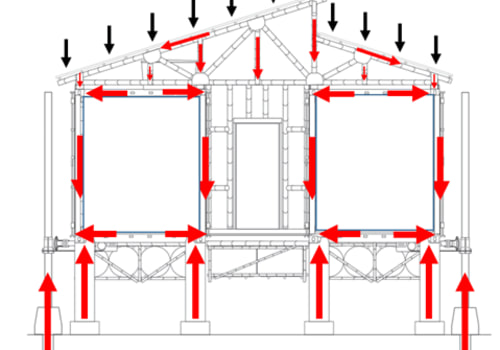
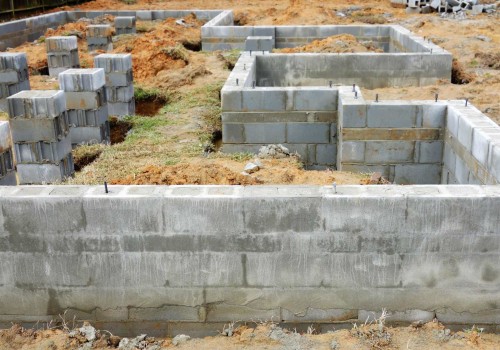
Seismic activity poses significant challenges to foundation design, making it a critical consideration for engineers and architects alike. Earthquakes can unleash tremendous forces that not only shake the ground but also compromise the integrity of structures. Understanding how these natural phenomena interact with building foundations is essential for creating safe, resilient structures that can withstand such unpredictable events. The importance of foundation design in seismic zones cannot be overstated. A well-designed foundation serves as the bedrock of a structure, providing stability and support.
In areas prone to earthquakes, foundations must be engineered to absorb and dissipate seismic energy, preventing catastrophic failures. This requires a deep understanding of soil mechanics, material properties, and the specific seismic risks associated with a given location. As we delve deeper into this topic, we will explore the various factors that influence foundation design in seismic regions, including soil types, building materials, and construction techniques. By examining these elements, we can better appreciate how engineers adapt their designs to mitigate the risks posed by seismic activity, ultimately ensuring the safety and longevity of our built environment.
The Basics of Foundation Design
Foundation design is a critical aspect of civil engineering that ensures the stability and longevity of structures. It involves understanding the load-bearing capacity of the soil and selecting appropriate materials and techniques to support the weight of buildings and other structures.There are several types of foundations, each suited for different conditions and requirements:- Shallow Foundations: These are typically used for lighter structures and are placed close to the ground surface.
Common types include spread footings, mat foundations, and slab-on-grade foundations.
- Deep Foundations: Used when soil near the surface is not strong enough to support the structure, deep foundations transfer loads to deeper, more stable soil layers. Examples include piles and drilled shafts.
- Specialty Foundations: In some cases, unique conditions may require specialized foundation designs, such as caissons or underpinning methods.
Foundation engineering
plays a vital role in ensuring that structures can withstand seismic activity. Engineers must assess the potential for ground movement and select foundation types that can absorb or resist these forces.For instance, flexible foundations may be preferred in earthquake-prone areas to allow for some movement without compromising structural integrity.In summary, a solid grasp of foundation design basics is crucial for engineers to create safe and resilient structures capable of withstanding seismic events. By considering various foundation types and their specific applications, engineers can better prepare for the challenges posed by seismic activity.
Understanding Seismic Activity
Seismic activity refers to the various phenomena associated with the movement of the Earth's crust, primarily caused by the release of energy in the form of seismic waves. This activity is most commonly associated with earthquakes, but it can also include volcanic eruptions and landslides. Understanding seismic activity is essential for engineers and architects involved in foundation design, as it directly influences the stability and safety of structures.Causes of Seismic Activity
- Tectonic Plate Movements: The Earth's crust is divided into several large plates that float on the semi-fluid mantle beneath.
The interactions between these plates, such as collisions, separations, and sliding past one another, are the primary causes of seismic activity.
- Volcanic Activity: Earthquakes can also occur due to volcanic eruptions. As magma rises to the surface, it can create pressure that leads to seismic events.
- Human Activities: Certain human activities, such as mining, reservoir-induced seismicity from large dams, and hydraulic fracturing (fracking), can induce seismic events.
Measuring Seismic Activity
Seismic activity is measured using instruments called seismometers or accelerometers. These devices detect and record the vibrations caused by seismic waves. The data collected is used to determine:
- Magnitude: This quantifies the energy released during an earthquake, typically measured on the Richter scale or moment magnitude scale (Mw).
- Intensity: This measures the effects of an earthquake at specific locations, often assessed using the Modified Mercalli Intensity (MMI) scale.
- Location: The epicenter of an earthquake is identified using triangulation from multiple seismometer readings.
The Impact of Seismic Activity on Soil Behavior
Seismic activity significantly influences soil behavior, which is a critical factor in foundation design.During an earthquake, the ground experiences intense shaking, leading to various soil responses that can affect the stability and integrity of structures.
Soil Liquefaction
One of the most concerning phenomena associated with seismic activity is soil liquefaction. This occurs when saturated soil temporarily loses its strength and stiffness due to the applied stress from seismic waves. As a result, the soil behaves more like a liquid than a solid, which can lead to severe structural damage or even total failure of foundations. Liquefaction is particularly prevalent in loose, saturated sands and silts, making it essential for engineers to assess soil conditions before construction.Changes in Soil Stability
In addition to liquefaction, seismic events can alter the overall stability of soil.The shaking can cause soil compaction or erosion, leading to shifts in the ground that may compromise foundation support. For instance, slopes may become unstable, increasing the risk of landslides in hilly areas. Engineers must consider these factors when designing foundations in seismic zones to ensure they can withstand potential ground movement.
Assessment and Mitigation Strategies
To address these challenges, geotechnical engineers often conduct thorough site investigations that include:- Soil sampling to determine composition and moisture content.
- Dynamic testing to evaluate how soil behaves under seismic loads.
- Liquefaction potential analysis to identify areas at risk.
Designing Foundations for Seismic Resilience
Designing foundations to withstand seismic activity is crucial for ensuring the safety and longevity of structures in earthquake-prone areas.Seismic resilient foundations incorporate various engineering practices that address the unique challenges posed by ground motion during an earthquake.One effective strategy is the use of deep foundations, such as piles or drilled shafts, which extend below the surface layer of soil to reach more stable strata. This method not only enhances stability but also minimizes the risk of settlement and lateral movement during seismic events.Another important aspect of foundation design is the incorporation of flexible materials and systems that can absorb and dissipate seismic energy. For instance, using base isolators allows the building to move independently from ground motion, significantly reducing the forces transmitted to the structure.
- Foundation Reinforcement Techniques:
- Reinforced concrete: Adding steel reinforcement bars (rebar) within concrete foundations increases tensile strength, making them more resistant to cracking under stress.
- Shear walls: Integrating shear walls into foundation design helps resist lateral forces, providing additional stability during seismic events.
- Soil stabilization: Techniques such as grouting or compaction can improve soil properties, enhancing overall foundation performance against seismic forces.
Engineers often conduct detailed geotechnical investigations to tailor foundation designs that accommodate specific site conditions.In conclusion, implementing these advanced engineering practices and techniques in foundation design not only enhances resilience against seismic activity but also contributes to the overall safety and durability of buildings in earthquake-prone regions.
Case Studies: Successful Foundation Designs in Seismic Zones
Understanding how to design foundations that can withstand seismic activity is crucial for ensuring the safety and longevity of structures in earthquake-prone areas. Here are some notable case studies that highlight successful foundation designs in seismic zones:1.The Transamerica Pyramid, San Francisco
Completed in 1972, the Transamerica Pyramid is an iconic skyscraper that employs a unique foundation system. Its base consists of a deep concrete mat foundation, which is anchored to bedrock. This design allows the building to absorb seismic forces effectively, minimizing lateral movement during an earthquake.2.The Taipei 101, Taiwan
This skyscraper, once the tallest building in the world, features a sophisticated foundation design that includes a massive base isolation system.The foundation is supported by over 380 piles driven deep into the ground, providing stability against seismic forces. Additionally, a tuned mass damper helps reduce sway during earthquakes, showcasing an innovative approach to seismic resilient buildings.
3.The Wilshire Grand Center, Los Angeles
The Wilshire Grand Center incorporates advanced engineering techniques in its foundation design. It utilizes a deep pile foundation system that extends into the bedrock, ensuring stability during seismic events. The building's design also includes a base isolation system that allows it to move independently from ground motion, significantly enhancing its resilience.Lessons Learned from Seismic Events
- Importance of Site Assessment: Thorough geological surveys are essential to understand soil conditions and potential seismic risks.
- Innovative Materials: Utilizing advanced materials such as high-strength concrete and steel can improve structural integrity.
- Regular Maintenance: Post-earthquake inspections and maintenance are critical for ensuring long-term safety and performance.
By learning from these examples, engineers can develop more resilient structures that protect lives and property in the face of natural disasters.
Regulatory Standards and Guidelines for Seismic Design
In regions prone to seismic activity, foundation design must adhere to specific regulatory standards and guidelines to ensure the safety and stability of structures. These regulations are established by various organizations and government bodies, which provide a framework for engineers and architects to follow when designing foundations in earthquake-prone areas.Seismic design codes
are critical in this context. They outline the minimum requirements for building structures that can withstand seismic forces. In the United States, the most widely recognized code is the International Building Code (IBC), which incorporates provisions from the American Society of Civil Engineers (ASCE) 7.This code specifies how to assess seismic hazards and determine appropriate design parameters for foundations.Additionally, local building regulations may impose stricter requirements based on regional seismic risk assessments. For instance, areas classified as high seismic zones may require deeper foundations or specialized materials to enhance resilience against earthquakes.
- Site-specific studies: Before foundation design begins, geotechnical investigations are essential. These studies evaluate soil conditions, groundwater levels, and other factors that influence foundation performance during seismic events.
- Foundation types: Depending on the seismic risk, different foundation types may be recommended. For example, deep foundations such as piles or caissons may be necessary in areas with poor soil conditions.
- Retrofitting guidelines: Existing structures may also need to comply with updated seismic standards through retrofitting, which involves strengthening foundations to meet current safety requirements.
By following established guidelines, engineers can mitigate risks associated with earthquakes, ultimately protecting lives and property.
Future Trends in Foundation Design Considering Seismic Activity
As the frequency and intensity of seismic events continue to rise, the future of foundation design is increasingly focused on enhancing seismic resilience. Innovations in earthquake engineering are paving the way for more robust and adaptable foundation systems that can withstand the forces generated by earthquakes.One of the most promising trends is the integration of advanced materials into foundation design. For instance, high-performance concrete and fiber-reinforced polymers are being utilized to create foundations that not only offer superior strength but also exhibit enhanced ductility. This allows structures to absorb and dissipate seismic energy more effectively, reducing the risk of catastrophic failure.Additionally, the use of base isolation systems is gaining traction.These systems involve placing a flexible layer between a building's foundation and its superstructure, allowing for independent movement during seismic events. This innovation significantly minimizes the transfer of ground motion to the building, thereby protecting both the structure and its occupants.Another trend is the application of smart technology in foundation design. Sensors embedded within foundations can monitor structural health in real-time, providing critical data that can inform maintenance decisions and enhance safety. This proactive approach not only extends the lifespan of structures but also ensures compliance with evolving seismic codes.The incorporation of sustainable practices is also becoming a focal point in future foundation designs.
Engineers are exploring ways to utilize recycled materials and reduce carbon footprints while maintaining structural integrity. This shift towards sustainability aligns with global efforts to combat climate change while addressing seismic challenges.In conclusion, as we look towards the future, it is clear that innovations in foundation design will play a crucial role in enhancing our built environment's resilience against seismic activity. By embracing new materials, technologies, and sustainable practices, engineers can create foundations that not only withstand earthquakes but also contribute to safer and more sustainable communities.
FAQs about Seismic Activity and Foundation Design
Understanding the relationship between seismic activity and foundation design is crucial for ensuring the safety and longevity of structures in earthquake-prone areas. Here are some frequently asked questions that can help clarify this important topic:- What is seismic activity?
Seismic activity refers to the frequency and intensity of earthquakes in a given area.It is measured using seismographs and can vary significantly from one region to another.
- How does seismic activity affect foundation design?
Seismic activity impacts foundation design by necessitating the use of specific engineering techniques to ensure stability during an earthquake. This includes designing foundations that can absorb and dissipate seismic energy, preventing structural failure. - What types of foundations are best for seismic zones?
In seismic zones, deep foundations, such as piles or drilled shafts, are often preferred because they reach stable soil layers below the surface. Additionally, flexible foundations can help structures move with seismic waves rather than against them. - Are there building codes for seismic design?
Yes, many regions have specific building codes that dictate how structures should be designed to withstand seismic forces. These codes are based on local seismic risk assessments and are updated regularly to reflect new research and technology. - What role does soil type play in foundation design?
The type of soil significantly influences foundation design.Cohesive soils may behave differently under seismic loads compared to granular soils. Engineers must conduct soil tests to determine the best foundation type for a given site.
Conclusion: Key Takeaways on Seismic Activity's Impact on Foundation Design
In summary, understanding the impact of seismic activity on foundation design is crucial for ensuring the safety and longevity of structures in earthquake-prone areas. The following key takeaways highlight the essential considerations that engineers and architects must keep in mind:- Site Assessment: Conducting a thorough geological survey is vital. This includes evaluating soil types, seismic history, and potential ground movement to inform design choices.
- Foundation Type: Selecting the appropriate foundation type—whether shallow or deep—can significantly influence a building's resilience to seismic forces.
For instance, deep foundations may be necessary in areas with loose or unstable soils.
- Flexibility and Ductility: Incorporating materials and designs that allow for flexibility can help structures absorb and dissipate seismic energy, reducing the risk of catastrophic failure.
- Building Codes: Adhering to local building codes that account for seismic risks is not just a legal requirement but also a best practice that enhances safety.
- Retrofitting: For existing structures, retrofitting can improve foundation design to better withstand seismic events, ensuring older buildings meet modern safety standards.