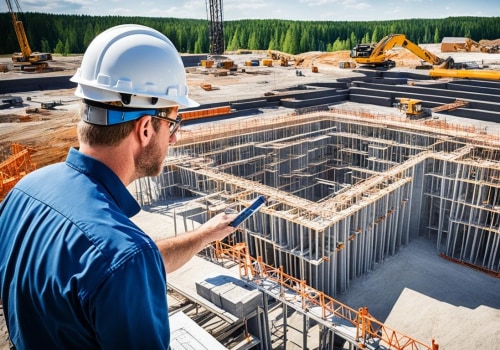
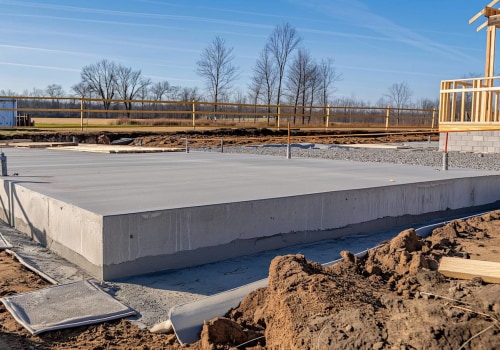
Foundation design is a critical aspect of construction that serves as the backbone of any structure. It involves the planning and engineering of the base that supports a building, ensuring stability and longevity. The importance of foundation design cannot be overstated; it directly influences the safety, durability, and performance of a structure over time. A well-designed foundation accommodates various loads, including the weight of the building itself, environmental forces, and potential soil movement. One of the most significant factors affecting foundation design is climate and weather conditions.
Different regions experience varying temperatures, precipitation levels, and soil moisture content, all of which can impact the integrity of a foundation. For instance, areas prone to heavy rainfall may require specialized drainage solutions to prevent water accumulation that could weaken the foundation. Similarly, regions with extreme temperature fluctuations may necessitate designs that account for soil expansion and contraction. Understanding how climate impacts foundations is essential for architects and engineers. By considering local weather patterns and geological conditions during the design phase, professionals can create foundations that not only meet regulatory standards but also withstand the test of time.
This proactive approach minimizes risks associated with structural failure and costly repairs, ultimately leading to safer buildings and satisfied occupants.
The Role of Climate in Foundation Design
Understanding the impact of climate on foundation design is crucial for ensuring the longevity and stability of structures. Different climate zones present unique challenges that influence material selection and structural considerations.Climate Zones and Their Effects
- Tropical Climates: In regions with high humidity and frequent rainfall, foundations must be designed to prevent water accumulation. This often involves using moisture-resistant materials and incorporating proper drainage systems.
- Cold Climates: Areas that experience freezing temperatures require foundations to be placed below the frost line to avoid heaving. Insulation materials may also be necessary to protect against thermal fluctuations.
- Arid Climates: In dry regions, soil expansion and contraction due to moisture changes can affect foundation stability.
Engineers may opt for deeper foundations or use materials that can withstand these shifts.
- Coastal Areas: Foundations in coastal regions must contend with saltwater corrosion. Using corrosion-resistant materials and designing for potential flooding are essential considerations.
Material Selection
The choice of materials is heavily influenced by the local climate. For instance, in areas prone to termites or other pests, using treated wood or alternative materials like steel or concrete can enhance durability. Additionally, the thermal properties of materials play a significant role; for example, concrete has excellent thermal mass, making it suitable for both hot and cold climates.Ultimately, a thorough understanding of local climate conditions allows engineers and architects to make informed decisions about foundation design, ensuring that structures are resilient and capable of withstanding environmental challenges over time.
Weather Conditions and Their Effects on Foundations
Weather conditions play a crucial role in foundation design, as they directly affect the stability and integrity of a building's foundation.Understanding how various weather elements impact foundations is essential for engineers and architects to ensure long-lasting structures.
Impact of Rainfall
Excessive rainfall can lead to soil saturation, which increases the risk of soil erosion and settlement. When the ground becomes overly saturated, it can lose its load-bearing capacity, causing foundations to shift or settle unevenly. To mitigate these risks, proper drainage systems must be integrated into the foundation design. This includes:- Installing French drains to redirect water away from the foundation.
- Utilizing waterproofing membranes to protect against moisture intrusion.
- Designing grading that slopes away from the foundation to prevent pooling.
Effects of Snow Load
In regions that experience heavy snowfall, the weight of accumulated snow can exert significant pressure on a building's foundation.This is particularly important in foundation design, as engineers must account for potential snow loads when calculating the structural integrity of the foundation. Key considerations include:
- Assessing local snow load requirements based on historical data.
- Designing foundations with adequate depth and width to support additional weight.
- Incorporating materials that can withstand freeze-thaw cycles, which can exacerbate foundation issues.
Temperature Fluctuations
Temperature changes can cause soil expansion and contraction, leading to movement in foundations. In areas with extreme temperature variations, this can result in cracks and structural damage. To address these challenges, foundation design should include:- Selecting materials that are less susceptible to thermal expansion.
- Implementing insulation techniques to minimize temperature fluctuations around the foundation.
- Designing flexible joints that can accommodate movement without compromising structural integrity.
By considering these factors during the planning and construction phases, builders can create more resilient structures that stand the test of time.
Soil Types and Their Interaction with Climate
Understanding the interaction between soil types and climate is crucial for effective foundation design. Different soils exhibit varying behaviors under diverse climatic conditions, which can significantly influence the stability and longevity of a structure. Here are some common soil types and their interactions with climate:- Clay: Clay soils expand when wet and shrink when dry. In regions with significant rainfall followed by dry spells, clay can lead to substantial foundation movement. Engineers must consider moisture control measures in foundation design to mitigate these effects.
- Sandy Soil: Sandy soils drain quickly and are less prone to expansion.
However, in arid climates, they can become loose and unstable due to lack of moisture. Foundations in sandy areas may require deeper footings to ensure stability.
- Silty Soil: Silty soils retain moisture better than sandy soils but can become easily compacted. In climates with heavy rainfall, silty soils may lead to erosion or settlement issues, necessitating careful grading and drainage solutions in foundation design.
- Rocky Soil: While rocky soils provide excellent support for foundations, they can be challenging to excavate. In cold climates, frost heave can affect rocky foundations if not properly designed.
For instance, in areas prone to flooding, engineers might opt for elevated foundations or pilings to prevent water damage. Conversely, in regions with extreme heat, thermal expansion must be accounted for in the materials used. Ultimately, a thorough understanding of local soil types and their climatic interactions is essential for creating durable and resilient foundations that can withstand environmental challenges.
Case Studies: Foundation Failures Due to Climate Factors
Understanding the impact of climate on foundation design is crucial, as evidenced by several notable case studies where foundation failures occurred due to adverse weather conditions. These real-world examples highlight the importance of considering local climate factors in the design and construction phases.Case Study 1: The Leaning Tower of Pisa
While often romanticized, the Leaning Tower of Pisa is a prime example of how inadequate foundation design can lead to structural failure. The tower began to lean shortly after construction commenced in the 12th century due to its shallow foundation on soft, unstable subsoil.The region's wet climate exacerbated the issue, leading to further soil erosion and instability. This case teaches us that understanding soil composition and moisture levels is vital for successful foundation design.
Case Study 2: The Florida Sinkhole Crisis
In Florida, numerous homes have suffered from sinkholes, primarily due to heavy rainfall and the region's limestone bedrock. The increased water saturation leads to soil erosion and the eventual collapse of foundations. One notable incident occurred in 2013 when a sinkhole swallowed a house in Seffner, highlighting the need for engineers to incorporate drainage solutions and soil stabilization techniques in areas prone to such climate-related failures.Lessons Learned
- Soil Analysis: Conduct thorough soil tests to understand its behavior under varying moisture conditions.
- Drainage Solutions: Implement effective drainage systems to manage water flow and reduce erosion risks.
- Adaptability: Design foundations that can adapt to changing climate conditions, including potential flooding or drought.
- Monitoring: Regularly monitor foundation integrity, especially in regions with known climate-related risks.
By learning from past failures, we can develop more resilient structures that withstand the challenges posed by our changing environment.
Best Practices for Designing Foundations in Various Climates
When it comes to foundation design, understanding the local climate is crucial for ensuring structural integrity and longevity. Different climates present unique challenges that require tailored engineering solutions. Here are some best practices for designing foundations in various climates:- Cold Climates: In areas with freezing temperatures, it is essential to design foundations that extend below the frost line to prevent heaving. Insulation can also be added to the foundation walls to minimize heat loss and protect against frost damage.
- Hot and Arid Climates: In regions with high temperatures and low moisture, foundations should be designed to accommodate soil expansion and contraction.
Utilizing materials that can withstand thermal fluctuations, such as reinforced concrete, is advisable. Additionally, incorporating drainage systems can help manage water runoff and prevent erosion.
- Tropical Climates: For areas prone to heavy rainfall and flooding, it is vital to design foundations that are elevated above potential flood levels. Using pilings or raised platforms can help mitigate water damage. Furthermore, ensuring proper drainage around the foundation will reduce the risk of water accumulation.
- Coastal Areas: In coastal regions, foundations must be designed to withstand saltwater exposure and potential storm surges.
Using corrosion-resistant materials and elevating structures above predicted flood levels are critical strategies.
Future Trends in Foundation Design Considering Climate Change
As the effects of climate change become increasingly evident, the foundation design industry is evolving to address these challenges. Future trends in foundation design are focusing on resilience, sustainability, and adaptability to changing environmental conditions.1.Resilient Foundation Systems
- Deep Foundations: In areas prone to flooding or soil erosion, deep foundations are gaining popularity.
These systems extend below the surface to reach stable soil layers, providing enhanced stability against extreme weather events.
- Flexible Materials: The use of flexible materials that can absorb and dissipate energy is becoming more common. This approach helps foundations withstand seismic activity and high winds, which are expected to increase with climate change.
2.Sustainable Practices
- Recycled Materials: Incorporating recycled materials into foundation design not only reduces waste but also minimizes the carbon footprint of construction projects. This trend aligns with the broader movement towards sustainable building practices.
- Green Footprints: Designing foundations that minimize land disturbance and promote natural drainage can help mitigate the impact of heavy rainfall and flooding, contributing to overall site sustainability.
3.Adaptive Design Strategies
- Climate-Responsive Design: Future foundation designs will increasingly consider local climate data to inform decisions. This includes analyzing historical weather patterns and predicting future changes to ensure structures remain safe and functional.
- Modular Foundations: The rise of modular construction techniques allows for foundations that can be easily modified or expanded as needed, accommodating future changes in land use or environmental conditions.
As builders and engineers continue to innovate, the focus will remain on creating foundations that are not only strong but also environmentally responsible.
FAQs About Climate Impact on Foundation Design
Understanding how climate and weather conditions impact foundation design is crucial for ensuring the longevity and stability of a structure. Here are some frequently asked questions that address common concerns:- How does soil type affect foundation design in different climates?
Soil type plays a significant role in foundation design. In areas with high moisture, clay soils can expand and contract, leading to potential foundation movement. Conversely, sandy soils may not retain moisture well, which can lead to settling.Engineers must assess soil conditions to determine the appropriate foundation type.
- What is the impact of freeze-thaw cycles on foundations?
In regions with cold climates, freeze-thaw cycles can cause soil to expand and contract, which may lead to heaving. This can compromise the integrity of a foundation if not properly designed. Deep foundations or frost-protected shallow foundations are often recommended in these areas. - How do heavy rains influence foundation stability?
Heavy rainfall can lead to increased soil saturation, which may result in erosion or shifting. Proper drainage systems and waterproofing measures are essential in foundation design to mitigate these risks. - What role does temperature play in material selection for foundations?
Extreme temperatures can affect the curing process of concrete and other materials used in foundation design.In hot climates, rapid evaporation can weaken concrete, while cold temperatures can slow down curing. Selecting the right materials and additives is vital for optimal performance.
Conclusion: Key Takeaways on Climate's Influence on Foundation Design
In conclusion, understanding how climate and weather conditions impact foundation design is crucial for ensuring the longevity and stability of structures. Throughout this article, we have explored several key factors that must be considered when designing foundations in various climates.- Soil Behavior: Different climates affect soil moisture levels, which can lead to expansion or contraction. For instance, in arid regions, soils may dry out and shrink, while in humid areas, they may swell.
This behavior directly influences the choice of foundation type.
- Frost Depth: In colder climates, frost can penetrate the ground, causing heaving. Designers must account for frost depth to prevent damage to foundations.
- Drainage Solutions: Effective drainage is essential in areas prone to heavy rainfall or flooding. Poor drainage can lead to water accumulation around foundations, increasing the risk of erosion and structural failure.
- Wind Loads: In regions with high winds, foundations must be designed to withstand lateral forces. This requires careful consideration of anchoring systems and materials used.
Ultimately, a well-designed foundation tailored to local climate conditions is a critical investment in the durability and safety of any building project.