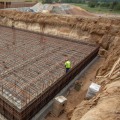
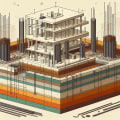
Foundation design is a critical aspect of civil engineering that ensures the stability and longevity of structures. However, it is not without its challenges.
Foundation design challenges
can arise from various factors, including soil conditions, environmental influences, and the specific requirements of the structure being built. Understanding these challenges is essential for engineers and architects alike, as they can significantly impact the safety and performance of a building. One of the most common issues in foundation design is dealing with unpredictable soil behavior.Soil types can vary widely in their load-bearing capacity, drainage characteristics, and susceptibility to settlement or erosion. Engineers must conduct thorough site investigations to assess these conditions accurately. Failure to do so can lead to serious foundation engineering problems, such as excessive settlement or even structural failure. Additionally, external factors such as groundwater levels, seismic activity, and climate change can complicate foundation design further. For instance, rising water tables can undermine the integrity of a foundation, while seismic zones require specialized design considerations to ensure stability during earthquakes.
As we delve deeper into this topic, we will explore these challenges in detail and discuss strategies for overcoming them, providing valuable insights for professionals in the field.
Geotechnical Challenges in Foundation Design
Foundation design is heavily influenced by geotechnical challenges, which can significantly affect the stability and longevity of a structure. Understanding the soil conditions at a site is crucial for effective foundation planning.One of the primary geotechnical issues is the variability of soil types. Different soils have distinct properties that impact their load-bearing capacity. For instance:- Sandy soils typically offer good drainage but may not provide sufficient support for heavy structures.
- Clay soils can expand and contract with moisture changes, leading to potential foundation movement.
- Rocky soils provide excellent support but may require extensive excavation and preparation.
A thorough site assessment is necessary to determine this capacity, often involving:
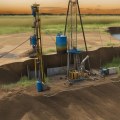
- Soil sampling: Collecting soil samples at various depths to analyze their composition and properties.
- In-situ testing: Conducting tests such as Standard Penetration Tests (SPT) or Cone Penetration Tests (CPT) to evaluate soil behavior under load.
- Laboratory testing: Analyzing samples for parameters like moisture content, density, and shear strength.
Structural Challenges in Foundation Design
Foundation design is a critical aspect of construction that directly impacts the structural integrity of a building. One of the primary challenges faced in this area is ensuring proper load distribution.The foundation must be capable of supporting not only the weight of the structure itself but also any additional loads that may occur over time, such as occupants, furniture, and environmental factors like snow or wind. If the load is not evenly distributed, it can lead to uneven settling, cracking, or even catastrophic failure.Another significant challenge is maintaining structural integrity throughout the lifespan of the foundation. This involves selecting appropriate materials and construction techniques that can withstand various stresses and environmental conditions. For instance, soil conditions can vary greatly from one site to another, affecting how loads are transferred from the structure to the ground.
Engineers must conduct thorough soil tests to determine the best foundation type—whether it be shallow or deep—to ensure stability.Adherence to design standards is also crucial in foundation design. These standards are established by local building codes and industry regulations to ensure safety and performance. Failure to comply with these standards can result in legal repercussions and increased liability for builders and engineers. Moreover, staying updated with evolving standards is essential as they often incorporate new research findings and technological advancements.In summary, addressing structural challenges in foundation design requires a comprehensive understanding of load distribution, structural integrity, and adherence to design standards.
By focusing on these elements, engineers can create foundations that not only support buildings effectively but also enhance their longevity and safety.
Environmental Factors Affecting Foundation Design
When it comes to foundation design, environmental factors play a crucial role in determining the stability and longevity of a structure. Understanding how these elements interact with the foundation is essential for engineers and architects alike.Weather Conditions
- Rainfall: Excessive rainfall can lead to soil erosion and increased water table levels, which may compromise the integrity of the foundation. Proper drainage systems must be designed to mitigate these risks.
- Temperature Fluctuations: Extreme temperature changes can cause soil expansion and contraction, affecting the foundation's stability. Materials used in construction should be selected based on their thermal properties to withstand these variations.
- Wind Loads: In areas prone to high winds, foundations must be designed to resist lateral forces.
This often requires deeper footings or additional reinforcements.
Climate Considerations
- Soil Type: Different soil types react differently to moisture and temperature changes. For instance, clay soils can swell when wet and shrink when dry, necessitating specialized foundation designs.
- Seismic Activity: In regions with a history of earthquakes, foundations must be engineered to absorb shock and prevent structural failure. This often involves using flexible materials and deep pilings.
- Flood Zones: Building in flood-prone areas requires elevated foundations or flood-resistant designs to protect against water damage.
Regulatory and Compliance Challenges in Foundation Design
Foundation design is not only a technical endeavor but also a complex interplay of regulatory and compliance challenges.Understanding the local and national building codes is essential for engineers and architects to ensure that their designs meet safety and legal standards.
Building Codes
- Building codes are established to protect public health, safety, and welfare. They dictate the minimum requirements for foundation design, including materials, load-bearing capacities, and construction methods.
- These codes can vary significantly from one jurisdiction to another, making it crucial for designers to be familiar with the specific regulations applicable to their project location.
Compliance Issues
- Compliance with building codes often requires extensive documentation and approval processes. This can include submitting detailed plans for review by local authorities, which may lead to delays in project timelines.
- Failure to comply with these regulations can result in costly fines, legal liabilities, or even the need to redo work that does not meet standards.
Environmental Regulations
- In addition to building codes, foundation design must also consider environmental regulations. These may include assessments related to soil erosion, groundwater protection, and the impact on local ecosystems.
- Designers must often conduct environmental impact studies to ensure that their foundations do not adversely affect the surrounding environment.
By understanding and adhering to building codes and compliance issues, professionals can mitigate risks and ensure the safety and legality of their projects.
Economic Considerations in Foundation Design
When it comes to foundation design, economic considerations play a crucial role in determining the overall success of a construction project. Understanding the various cost factors involved is essential for architects, engineers, and project managers alike.Cost Factors in Foundation Design
- Material Costs: The choice of materials significantly impacts the budget. High-quality materials may offer better durability but can also increase initial costs.
- Labor Expenses: Skilled labor is often required for complex foundation designs, which can drive up costs. Additionally, labor availability can affect timelines and budgets.
- Site Conditions: The geological characteristics of the site can lead to unexpected expenses.
For instance, rocky or unstable soil may necessitate more extensive excavation or specialized foundation techniques.
- Regulatory Compliance: Adhering to local building codes and regulations can add to the costs. Ensuring compliance often requires additional design modifications or inspections.
Budget Constraints
Every project has a budget, and budget constraints can limit the options available for foundation design. It is essential to prioritize which aspects of the foundation are non-negotiable and which can be adjusted without compromising safety or functionality. This balancing act often requires innovative solutions that meet both financial and structural requirements.
Economic Impact on Design Choices
The economic landscape can also influence design choices.
For example, during economic downturns, there may be a push towards more cost-effective solutions, while a booming economy might allow for more luxurious options. Ultimately, the goal is to achieve a foundation design that not only meets structural integrity but also aligns with financial feasibility.In conclusion, navigating the economic challenges in foundation design requires careful consideration of cost factors, budget constraints, and the broader economic environment. By striking a balance between quality and affordability, stakeholders can ensure successful project outcomes.
Technological Advances in Foundation Design Solutions
In recent years, the field of foundation design has witnessed significant advancements driven by innovative technologies and methodologies. These developments not only address common challenges but also enhance the overall efficiency and effectiveness of foundation projects.Innovative Technologies
- 3D Modeling and Simulation: Advanced software tools allow engineers to create detailed 3D models of foundation systems.
This technology enables better visualization of potential issues and facilitates more accurate load calculations.
- Geotechnical Instrumentation: The use of sensors and monitoring systems helps in real-time assessment of soil conditions and foundation performance. This data-driven approach allows for timely interventions, reducing risks associated with foundation failures.
Design Software
- Finite Element Analysis (FEA): FEA software provides a powerful platform for analyzing complex foundation designs under various loading conditions. This capability helps engineers optimize designs for safety and cost-effectiveness.
- BIM Integration: Building Information Modeling (BIM) integrates various aspects of construction, including foundation design. This holistic approach improves collaboration among stakeholders, leading to fewer errors and enhanced project outcomes.
Construction Methods
- Modular Foundations: Prefabricated foundation components can be manufactured off-site and assembled on location, significantly reducing construction time and labor costs.
- Deep Foundation Techniques: Innovations in deep foundation methods, such as helical piles and micropiles, provide solutions for challenging soil conditions, ensuring stability even in less-than-ideal environments.
As the industry continues to evolve, embracing these innovations will be crucial for engineers aiming to deliver high-quality foundations that meet modern demands.
Case Studies: Real-World Examples of Foundation Design Challenges
Understanding the complexities of foundation design is crucial, as evidenced by several notable case studies that highlight the challenges faced in real-world applications. These examples not only illustrate the potential pitfalls but also offer valuable lessons for future projects.Case Study 1: The Leaning Tower of Pisa
The Leaning Tower of Pisa is a classic example of foundation failure due to inadequate soil assessment. Originally designed to be vertical, the tower began to lean during construction because the foundation was laid on soft, unstable soil. This case underscores the importance of conducting thorough geotechnical investigations before commencing any foundation design.The lessons learned here emphasize the need for proper soil analysis and the consideration of soil bearing capacity.
Case Study 2: The Millennium Tower, San Francisco
The Millennium Tower in San Francisco has faced significant challenges due to its sinking and tilting. Built on a foundation that did not reach bedrock, the building has settled unevenly, leading to costly repairs and legal disputes. This situation highlights the critical nature of selecting appropriate foundation types based on site conditions. It serves as a reminder that foundation design must account for long-term stability and potential environmental changes.Case Study 3: The Ronan Point Apartment Building
The Ronan Point apartment building in London suffered a catastrophic failure due to a gas explosion in 1968, which exposed serious flaws in its foundation design.The incident revealed that inadequate structural support could lead to devastating consequences. This case illustrates the necessity of integrating safety measures and robust engineering practices into foundation design, ensuring that buildings can withstand unforeseen events.These case studies serve as powerful reminders of the complexities involved in foundation design. By analyzing past failures, engineers and architects can develop more resilient structures and avoid repeating similar mistakes. Each example provides critical insights into the importance of thorough planning, site assessment, and adherence to engineering standards.
Frequently Asked Questions about Foundation Design Challenges
When it comes to foundation design, several common questions arise regarding the challenges faced by engineers and builders.Here are some frequently asked questions that can help clarify these issues:
- What are the most common challenges in foundation design?
The primary challenges include soil variability, load-bearing capacity, water table levels, and environmental factors. Each of these elements can significantly impact the stability and longevity of a foundation. - How does soil type affect foundation design?
Different soil types have varying load-bearing capacities. For instance, clay soils can expand and contract with moisture changes, while sandy soils may shift under load. Understanding the soil profile is crucial for effective foundation design. - What role does drainage play in foundation stability?
Proper drainage is essential to prevent water accumulation around the foundation, which can lead to erosion or settlement issues.Engineers often incorporate drainage solutions into their designs to mitigate these risks.
- How can seismic activity impact foundation design?
In earthquake-prone areas, foundations must be designed to withstand lateral forces. This often involves using specific materials and construction techniques to enhance resilience against seismic events. - What are the implications of climate change on foundation design?
As climate patterns shift, factors such as increased rainfall and flooding can affect soil stability. Engineers must consider these changes when designing foundations to ensure long-term durability.
Conclusion: Key Takeaways on Foundation Design Challenges
In summary, understanding the challenges in foundation design is crucial for engineers and architects alike. These challenges can significantly impact the safety, stability, and longevity of structures.Here are the key takeaways:
- Soil Conditions: The variability of soil types and their properties can lead to unexpected complications. Conducting thorough soil investigations is essential to inform design decisions.
- Load Considerations: Accurately estimating the loads that a foundation must support is vital. This includes not only the weight of the structure but also dynamic loads such as wind and seismic activity.
- Environmental Factors: Changes in moisture levels, temperature fluctuations, and other environmental conditions can affect foundation performance over time. Engineers must account for these factors during the design phase.
- Regulatory Compliance: Adhering to local building codes and regulations is non-negotiable.
Understanding these requirements helps avoid legal issues and ensures safety standards are met.
- Cost Management: Balancing quality with budget constraints is a common challenge. Innovative design solutions can help optimize costs without compromising safety.