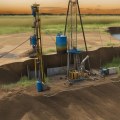
Foundation Design: Why Ground Conditions Matter
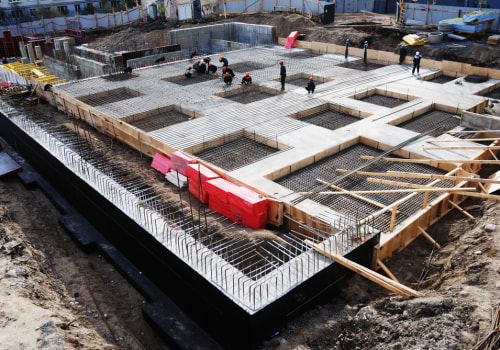
Every successful construction project begins with understanding the ground beneath it. Foundation design considers soil stability, drainage, and load-bearing capacity to help prevent structural problems over time. These same considerations matter when planning outdoor features that interact with soil and water.
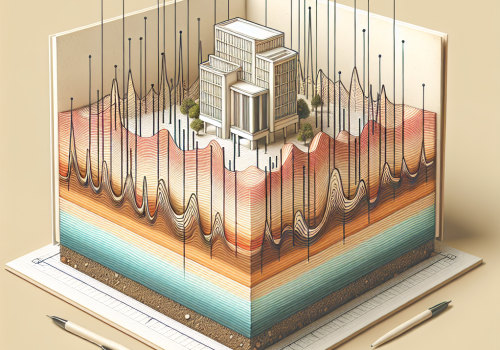
A property's terrain can influence excavation requirements, water movement, and the stability of landscaped areas. Understanding these conditions before work begins helps property owners make informed decisions and avoid unnecessary modifications later. This practical approach also provides a useful starting point for designing a natural pond that complements its surroundings.
Natural Pond Design in Rapperswil-Jona: Start With the Site
A natural pond should look like a natural extension of the landscape rather than an artificial basin placed in the garden. Before excavation, designers evaluate available space, ground conditions, sunlight exposure, and existing vegetation to determine a suitable layout.
For homeowners considering a garden transformation, egli jona ag in Rapperswil-Jona offers a local point of contact for exploring landscaping possibilities. Careful planning helps establish the pond's shape, depth, and placement while accounting for practical requirements such as water retention and safe, stable edges.
The surrounding landscape matters, too. Curved shorelines, native plants, and carefully positioned stones can create a harmonious appearance while providing habitats for beneficial wildlife.
Natural Pond Design in Rapperswil-Jona: Balance Beauty and Ecology
Thoughtful natural pond design considers more than appearance. A well-planned pond can support biodiversity, provide a peaceful garden focal point, and introduce a more varied environment for plants and wildlife.
Important design considerations include:
Water quality: Appropriate circulation and planting help support a healthier pond environment.
Plant selection: Suitable aquatic and marginal plants add texture, provide shelter, and contribute to ecological balance.
Edge stability: Properly planned banks and transitions help limit erosion and preserve the pond's shape.
Seasonal maintenance: Accessible edges and suitable planting arrangements make routine care more manageable.
Soil conditions also influence water retention. Where the existing ground cannot hold water adequately, the designer may recommend an appropriate liner or other containment solution. These decisions require practical site assessment rather than relying on appearance alone.
Choosing a Natural Pond Designer in Rapperswil-Jona
Finding the right professional can make the difference between a pond that looks attractive initially and one that remains functional over time. Look for a designer who considers the entire garden, explains material choices, and accounts for drainage, planting, maintenance, and long-term performance.
Before committing to a project, discuss your preferred pond size, intended wildlife habitat, available budget, and expectations for upkeep. Reviewing previous projects can also help you assess whether a designer's approach suits your property.
If you have searched online for a "natural pond designer near me," prioritize local expertise and a clear planning process over appearance alone.
Build a Beautiful, Lasting Pond With egli jona ag
Just as foundation design relies on sound preparation to support lasting structures, a natural pond benefits from careful groundwork and informed design decisions. egli jona ag can be your local starting point for exploring a pond that complements your outdoor space while addressing its practical requirements. Contact egli jona ag to discuss your garden, explore your design options, and take the first step toward creating a natural pond that you can enjoy for years to come.