The Importance of Choosing the Right Foundation
A residential foundation provides the structural support necessary to maintain a home's stability, safety, and durability. Choosing the appropriate foundation type is essential because different construction sites have varying soil conditions, environmental factors, and structural requirements. The foundation must distribute the building's weight effectively while minimizing the risk of settlement, cracking, and moisture-related damage. Understanding the advantages and applications of different residential foundations helps homeowners make informed decisions during new construction or major renovation projects.
Concrete Slab Foundations
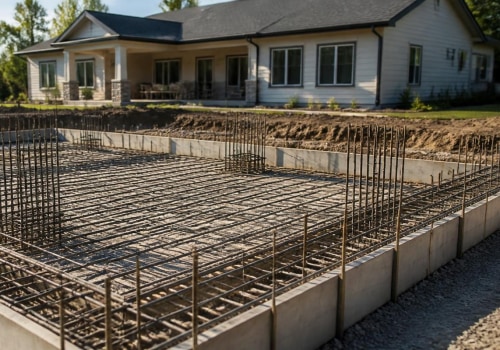
Concrete slab foundations are commonly used in residential construction because of their relatively straightforward installation and cost-effectiveness. These foundations consist of a reinforced concrete slab placed over prepared ground, providing a stable base for the structure. Slab foundations are particularly suitable for areas with relatively stable soil conditions and limited frost concerns, although designs can accommodate other environments. Proper ground preparation, reinforcement, and moisture protection are essential for preventing cracks and maintaining long-term structural performance.
Crawl Space Foundations
Crawl space foundations elevate homes slightly above ground level, creating an accessible space beneath the main floor. This design allows easier access to plumbing, electrical systems, and other utilities for maintenance or repairs. Crawl spaces can be beneficial in areas requiring elevated construction or where soil conditions make slab foundations less suitable. However, adequate ventilation or encapsulation, drainage, and moisture control are necessary to prevent mold growth, wood deterioration, and structural complications.
Basement Foundations
Basement foundations provide additional usable space beneath residential structures while supporting the building above. Homeowners may use basements for storage, recreational rooms, home offices, or additional living areas. These foundations require careful excavation, waterproofing, drainage, and structural engineering. Basement construction is particularly common in colder climates where foundations must extend below the frost line. Proper waterproofing and groundwater management are essential for preventing moisture intrusion and maintaining a comfortable interior environment.
Pier and Beam Foundations
Pier and beam foundations use strategically positioned supports and beams to elevate the structure above the ground. They are often considered for properties with uneven terrain, challenging soil conditions, or flood-related concerns. Their elevated design can improve access to utilities and accommodate certain ground movements. However, professional engineering and regular inspections are important for maintaining structural stability.
Considering Foundation Stability During Interior Improvements
Foundation performance can influence interior finishing projects, including flooring upgrades and tile installation. Excessive foundation movement may cause tiles to crack, grout joints to separate, or floors to become uneven. Evaluating structural conditions before completing interior renovations helps prevent recurring damage.
Ensuring Long-Term Foundation Performance
Selecting the right foundation requires professional soil assessments, structural planning, and consideration of local building regulations. By working with qualified engineers and contractors, homeowners can establish reliable foundations that support structural integrity, accommodate environmental conditions, and protect their properties for years to come.